
An In-Depth Examination of Vitamins and Their Role in Bodily Function

Meeting your daily vitamin and mineral requirements through diet alone can be challenging, leading many individuals to rely on supplements. In fact, approximately 58% of adults regularly take multivitamins, while nearly 75% of Americans use some form of dietary supplement. However, it’s crucial to be aware of the potential health risks linked to overconsumption of certain vitamins.
Vitamins are divided into two categories: water-soluble and fat-soluble. Water-soluble vitamins are quickly absorbed and flushed out by the body, making excessive buildup unlikely. In contrast, fat-soluble vitamins like A, D, E, and K are stored in body fat, increasing the risk of toxicity when consumed in large amounts over time.
To guarantee that supplements are both safe and effective, extensive testing and research are essential. Method development services play a critical role in evaluating product safety, ingredient accuracy, and overall effectiveness. Before incorporating any new supplements into your routine, it’s advisable to consult a healthcare provider. For more guidance on responsible supplement use, check out the infographic “Are Vitamin Supplements Safe?”

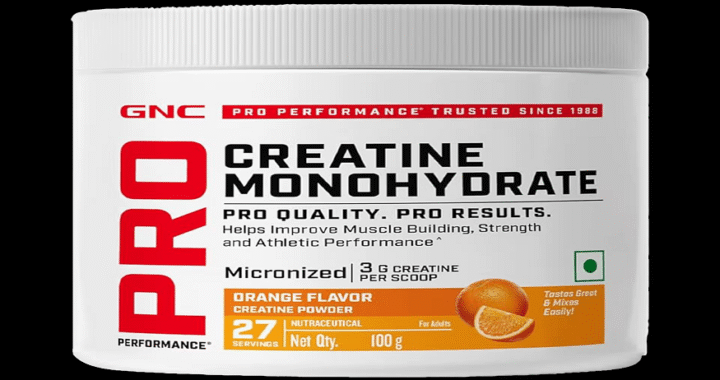 The Science behind Smarter Performance Support for Active Lifestyles
  Fundamental Biological Interactions of Beta-Alanine That Make it A Valuable Addition for Enhanced Athletic Performance
  How to Maximize Gains with Fitness Supplements
  Taking THC pills – How the market is changing?
  Top Signs You Need Vitamin D Supplements
  Plant-Powered Vitality: Unveiling the Significance of Beta alanine Supplementation for Vegetarians
  7 Reasons Your Doctor May Recommend an Ultrasound (USG) in Pregnancy
  From Warm-Up to Cool-Down: Choosing the Right Compression Apparel for Training
  How Modern Work Culture Is Increasing the Need for Physical Relaxation
  Gynecomastia Surgery Recovery Week by Week: Work, Driving, Sleep and the Gym