
The Science behind Smarter Performance Support for Active Lifestyles
Long gone are the days when only athletes, trainers, and gym regulars could benefit from active living. A large portion of the population now desires greater work capacity, quicker post-exercise recovery, and more consistent strength to assist with daily living. That change has necessitated a smarter performance aid that accommodates regular routines, not just rigorous training programs.
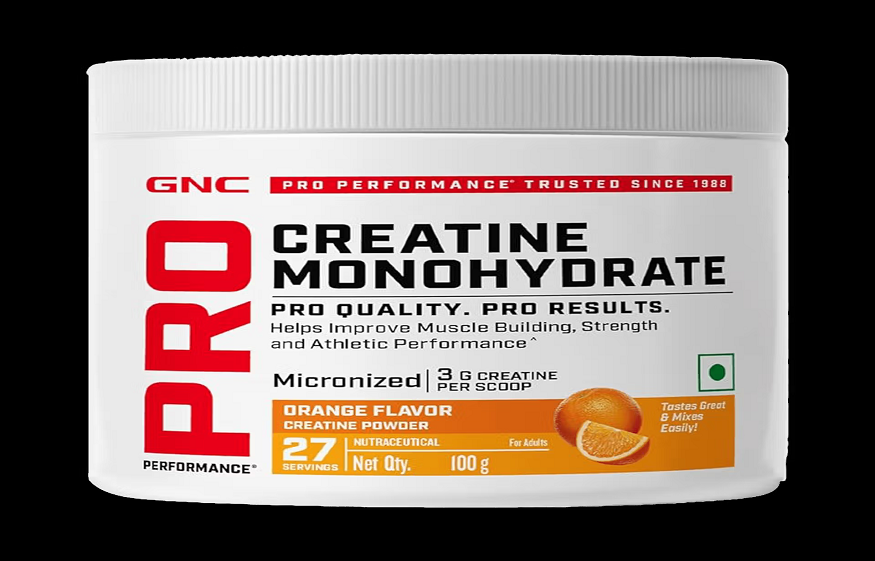
It is also teaching people that effort alone does not equate to results. CarnoSyn® and creatine are frequently mentioned in relation to broader concepts of stamina, muscle support, and recovery, presented in a more pragmatic way. Most importantly, though, is learning how the body performs to support choices based on real needs.
Why “Smarter” Support Matters
Smarter support involves applying science to make the body better at its job. It concentrates on energy production, muscle responses to loading, and body recovery following movement. This is more constructive than pursuing shortcuts that may seem thrilling yet profoundly shallow.
A dynamic lifestyle strains multiple systems simultaneously. Muscles require energy, the brain requires attention, and the nervous system requires balance to maintain movement, digital and precise. When one side lags, individuals usually feel slow, fatigued, and less consistent.
The Body Runs on More than Motivation
Something can trigger motivation, but biology determines whether the body continues. As the body moves, it utilizes energy stored in its tissues, oxygen, minerals, and fluids to maintain smooth muscular action. Once those systems feel properly augmented, performance can sometimes be more stable than cannonball and ragtime.
Read More: An In-Depth Examination of Vitamins and Their Role in Bodily Function
Recovery is not a separate but a performance element. The body must remove exercise waste, repair tiny muscle damage, and replenish energy reserves before it is again prepared. This is why individuals who do not pay attention to recovery can end up feeling stuck despite hard training.
Timing Changes the Outcome
Good support is not merely what a person uses, but when and how it fits into the day. A morning body might require something different from an evening workout body. The timing is important in that the body continuously passes through states of energy expenditure, fatigue, and restoration.
This is how intelligent routines usually win over random habits. An athlete who gets in bed early, drinks plenty of water, eats healthy meals, and trains with a purpose tends to do better than a tired athlete relying on late-night stimulant spikes. Minor decisions made every day can have the most effective long-term outcomes.
Small Habits Support Better
Smart performance support is most effective when fundamentals are already established. It must reinforce a sound routine, not mask inadequate sleep, missed meals, or inconsistent training. Habits are most beneficial when they can be repeated without strain and are simple enough to recall.
Some of these practical habits can enhance support:
- Drink plenty of water before, during, and after activity.
- Consume protein, carbs, and good fats in meals.
- Maintain regular sleep and exercise routines.
In conclusion, the most effective support plan is the one that is realistic and makes long-term sense. It must not oppose the natural order of the body by warring with opposites. Understanding that science, people cease to guess and begin to create active lifestyles that become stronger, more stable, and more comfortable.
 An In-Depth Examination of Vitamins and Their Role in Bodily Function
  Fundamental Biological Interactions of Beta-Alanine That Make it A Valuable Addition for Enhanced Athletic Performance
  How to Maximize Gains with Fitness Supplements
  Taking THC pills – How the market is changing?
  Top Signs You Need Vitamin D Supplements
  Plant-Powered Vitality: Unveiling the Significance of Beta alanine Supplementation for Vegetarians
  7 Reasons Your Doctor May Recommend an Ultrasound (USG) in Pregnancy
  From Warm-Up to Cool-Down: Choosing the Right Compression Apparel for Training
  How Modern Work Culture Is Increasing the Need for Physical Relaxation
  Gynecomastia Surgery Recovery Week by Week: Work, Driving, Sleep and the Gym