Hyperbaric Oxygen Therapy for Stroke Recovery
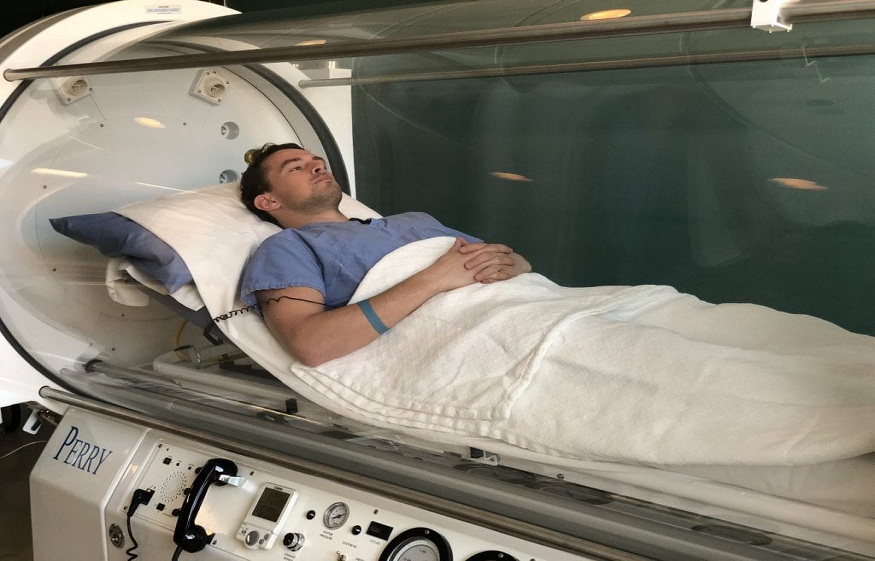
Hyperbaric oxygen therapy is a treatment that involves breathing pure oxygen in a pressurized environment. This method allows the body to absorb significantly more oxygen than it normally would, which can be beneficial for various medical conditions. For individuals undergoing hyperbaric treatment for stroke recovery, this therapy aims to support the healing processes and potentially improve functional outcomes. The journey of recovery after a stroke is often multifaceted, and hyperbaric oxygen therapy represents one avenue that some explore to aid in that progression.
The Initial Phase of Recovery and Introducing Hyperbaric Oxygen Therapy
Following a stroke, the immediate focus is typically on stabilizing the patient and beginning rehabilitation. During this critical early period, the brain has experienced an injury, and the body’s natural repair mechanisms are at work. It is often in the subsequent stages of recovery that therapies like hyperbaric oxygen therapy are considered.
Introducing this treatment can be part of a broader recovery plan. The core principle behind using hyperbaric oxygen therapy for stroke recovery centers on the idea that increased oxygen levels can enhance the body’s natural healing and regenerative processes. When a stroke occurs, blood flow to a portion of the brain is interrupted, leading to cell damage or death. By exposing the body to a higher concentration of oxygen under pressure, the therapy aims to deliver more oxygen to these affected areas. This increased oxygenation may theoretically help to reduce swelling, promote the growth of new blood vessels (angiogenesis), and support the survival of cells that are not completely destroyed but are compromised by the stroke.
Read More : How Nicotine Replacement Therapy Works
The initial sessions are often focused on acclimatizing the patient to the hyperbaric environment. Patients enter a specialized chamber, where the atmospheric pressure is increased. While inside, they breathe 100% oxygen, usually through a mask or a hood. The duration and frequency of these sessions are tailored to the individual’s needs and the specific protocol being followed. For those seeking hyperbaric treatment for stroke recovery, careful consideration is given to the timing of these treatments relative to the stroke event and other ongoing therapies.
What Changes as Treatment Progresses
As hyperbaric oxygen therapy continues over several weeks, the body undergoes gradual physiological changes. The sustained exposure to elevated oxygen levels can have cumulative effects. One of the proposed mechanisms is the stimulation of neuroplasticity, which is the brain’s ability to reorganize itself by forming new neural connections. While the brain’s capacity for healing is significant, it can be a lengthy process. The theory is that the oxygen-rich environment provided by hyperbaric oxygen therapy may create a more favorable internal environment for these neural pathways to be rebuilt or strengthened.
This progression also often involves observing the patient’s response. Recovery from a stroke is highly individual, and progress can manifest in various ways. Some individuals may notice improvements in motor control, while others might experience enhanced cognitive function or speech capabilities. The body’s ability to respond to therapy can evolve over time, and the increased oxygenation provided by the hyperbaric treatment for stroke recovery is intended to support these ongoing adaptive processes.
The pressure within the chamber is carefully controlled, and the oxygen is delivered consistently. These controlled conditions allow for a predictable way to deliver a therapeutic agent—oxygen—directly to the tissues. As the treatment course unfolds, the body’s tissues, including those in the brain that may have been affected by the stroke, receive a sustained increase in oxygen supply. This can potentially aid in cellular repair and the reduction of inflammation, which are key components of the healing cascade following ischemic or hemorrhagic events.
Potential Signs of Progress or the Need for Adjustment
During a course of hyperbaric oxygen therapy, signs of progress are often subtle and observed over time. These might include incremental improvements in limb strength, coordination, or balance for individuals experiencing motor deficits. Cognitive improvements could manifest as better concentration, memory recall, or problem-solving abilities. Speech and language functions, if affected by the stroke, might show gradual enhancement.
It is also important to note that not all individuals respond to hyperbaric oxygen therapy in the same way. The effectiveness can depend on numerous factors, including the severity and location of the stroke, the time elapsed since the event, and the patient’s overall health status. Therefore, ongoing assessment is crucial. If a patient is not showing the expected signs of improvement, or if new challenges arise, the treatment plan may need to be adjusted. This might involve modifying the frequency or duration of the sessions, or reconsidering the therapy as part of a broader rehabilitative strategy.
Healthcare providers closely monitor patients for any adverse reactions or discomfort. While generally considered safe when administered under medical supervision, potential side effects can occur, though they are typically mild and temporary. These can include ear pressure, temporary vision changes, or fatigue. Recognizing these responses allows for timely intervention and ensures that the therapy continues to be a beneficial and safe option. The decision to continue, modify, or discontinue hyperbaric treatment for stroke recovery is made based on careful observation of the patient’s response and overall well-being.
Sustaining Gains and the Long-Term Outlook
The goal of any rehabilitation therapy, including hyperbaric oxygen therapy, is not only to achieve initial gains but also to help sustain those improvements over the long term. The period following a stroke is one of significant adaptation for the brain and the body. The hope is that therapies can create a foundation that supports lasting functional recovery.
The principles of neuroplasticity suggest that the brain can continue to adapt and rewire itself for an extended period. By potentially enhancing the environment for healing and neural regeneration during the treatment phase, hyperbaric oxygen therapy may contribute to setting the stage for more sustained functional recovery. This can involve continued engagement in physical therapy, occupational therapy, and speech therapy, alongside any complementary treatments.
Read More : Anxiety & Stress Relief Through RTT: Real-Life Successes and Techniques
The long-term outlook for stroke survivors is influenced by many factors, including the extent of brain damage, the availability of comprehensive rehabilitation services, and the individual’s commitment to their recovery plan. Hyperbaric oxygen therapy is one component that some individuals choose to incorporate, seeking to maximize their potential for regaining function and improving their quality of life. The focus remains on supporting the body’s inherent capacity to heal and adapt, with the aim of achieving the most robust and enduring recovery possible. As research continues, our understanding of how hyperbaric treatment for stroke recovery can best be integrated into comprehensive care plans evolves, offering continued hope and potential for those affected by stroke.
 How Modern Work Culture Is Increasing the Need for Physical Relaxation
  How Nicotine Replacement Therapy Works
  Anxiety & Stress Relief Through RTT: Real-Life Successes and Techniques
  Hyperbaric Oxygen Therapy in Reproductive Medicine
  How Therapy Helps in Managing Anxiety: A Guide for Beginners
  Racing Thoughts: How to Prevent Your Mind from Racing
  From Warm-Up to Cool-Down: Choosing the Right Compression Apparel for Training
  Gynecomastia Surgery Recovery Week by Week: Work, Driving, Sleep and the Gym
  Are Dental Implants in Oakland Gardens Suitable for Multiple Missing Teeth