Behavior Health / Addiction: Understanding Care, Treatment, and the Path to Recovery

Behavior Health / Addiction is a growing concern that affects individuals, families, workplaces, and communities across the globe. From substance use disorders to mental health challenges, behavioral health issues are complex, deeply personal, and often misunderstood. Addressing Behavior Health / Addiction requires a comprehensive approach that combines medical care, emotional support, evidence-based treatment, and long-term recovery planning.
What Is Behavioral Health and How Does Addiction Fit In?
Behavioral health refers to the connection between behaviors, mental well-being, and overall health. It includes mental health conditions such as anxiety, depression, PTSD, and bipolar disorder, as well as substance use disorders involving alcohol, prescription medications, or illicit drugs.
Addiction is a chronic condition within behavioral health that affects brain chemistry, decision-making, and impulse control. It is not a lack of willpower or moral failure. Instead, it is a medical condition that requires structured treatment, professional care, and ongoing support.
When mental health disorders and substance use disorders occur together, they are often referred to as co-occurring or dual-diagnosis conditions. Treating one without addressing the other can limit long-term recovery outcomes.
Common Types of Behavior Health / Addiction Challenges
Behavior Health / Addiction can take many forms, each requiring a tailored treatment approach. Common challenges include:
Substance use disorders related to alcohol, opioids, stimulants, or sedatives
Prescription drug misuse and dependency
Behavioral addictions such as gambling or compulsive behaviors
Anxiety and mood disorders that contribute to substance use
Trauma-related conditions that increase relapse risk
Understanding the root cause of addiction is critical. Many individuals use substances as a coping mechanism for unmanaged stress, trauma, or mental health disorders.
Why Early Intervention Matters
Early identification and intervention play a major role in successful recovery from Behavior Health / Addiction. When left untreated, behavioral health conditions often worsen over time, impacting relationships, employment, physical health, and financial stability.
Early intervention allows individuals to:
Develop healthier coping strategies
Prevent escalation of substance use
Reduce the risk of long-term health complications
Improve treatment success rates
Restore personal and professional stability
Seeking help early is not a sign of weakness. It is a proactive step toward lasting well-being.
Evidence-Based Treatment Options
Effective treatment for Behavior Health / Addiction is not one-size-fits-all. The most successful programs are personalized and evidence-based, addressing both mental health and substance use together.
Common treatment approaches include:
Medical Detox and Stabilization
For substance-related addictions, medical detox helps manage withdrawal symptoms safely under professional supervision.
Inpatient and Residential Treatment
Structured, immersive care environments provide intensive therapy, medical monitoring, and peer support.
Outpatient and Intensive Outpatient Programs
These options allow individuals to receive treatment while maintaining work, school, or family responsibilities.
Therapy and Counseling
Cognitive behavioral therapy, dialectical behavior therapy, trauma-informed care, and group counseling help address underlying causes of addiction.
Medication-Assisted Treatment
In certain cases, medications can reduce cravings, manage withdrawal, and support long-term recovery.
Combining multiple treatment methods often leads to the strongest outcomes.
The Role of Support Systems in Recovery
Recovery from Behavior Health / Addiction extends beyond clinical treatment. Long-term success depends heavily on strong support systems, including family, peer groups, and community resources.
Support systems help individuals:
Stay accountable during recovery
Manage triggers and stressors
Rebuild healthy relationships
Reduce feelings of isolation
Maintain motivation over time
Support groups, alumni programs, and aftercare planning are essential components of sustained recovery.
Breaking the Stigma Around Behavioral Health and Addiction
One of the biggest barriers to treatment is stigma. Many individuals delay seeking help due to fear of judgment or misunderstanding. Recognizing Behavior Health / Addiction as a medical condition helps shift the narrative from blame to healing.
Education, open conversations, and compassionate care reduce stigma and encourage more people to seek the support they need.
Choosing the Right Behavioral Health and Addiction Care Provider
Selecting the right provider can significantly impact recovery outcomes. When evaluating treatment options, it is important to look for:
Licensed and experienced clinical staff
Evidence-based treatment models
Integrated mental health and addiction care
Individualized treatment planning
Strong aftercare and relapse prevention support
A quality provider focuses not just on short-term stabilization but on long-term wellness and independence.
Long-Term Recovery and Relapse Prevention
Recovery from Behavior Health / Addiction is an ongoing process, not a single event. Relapse prevention strategies help individuals maintain progress and navigate life challenges after treatment.
These strategies often include:
Continued therapy or counseling
Lifestyle changes that support mental health
Stress management techniques
Healthy routines and goal setting
Ongoing peer or professional support
With the right tools and resources, individuals can build fulfilling, stable lives in recovery.
Final Thoughts
Behavior Health / Addiction affects millions of people, but recovery is possible with the right care, understanding, and support. By addressing both mental health and substance use together, individuals can achieve meaningful, long-term healing. Early intervention, evidence-based treatment, and compassionate support remain the foundation of successful recovery journeys.
 Restore your confidence with advanced hair restoration solutions
  How Anti Aging Clinics Personalize Treatment Plans for Different Skin Types
  How to Find the Best Treatment for Scoliosis in Dubai
  Vital Traits to Consider when Searching for the Best Depression Treatment Clinic
  Supporting Testosterone Treatment: Top 5 Ways to Get the Most Out of TRT
  Innovative BPH Treatment Options: HoLEP and Beyond
  7 Reasons Your Doctor May Recommend an Ultrasound (USG) in Pregnancy
  From Warm-Up to Cool-Down: Choosing the Right Compression Apparel for Training
  How Modern Work Culture Is Increasing the Need for Physical Relaxation
 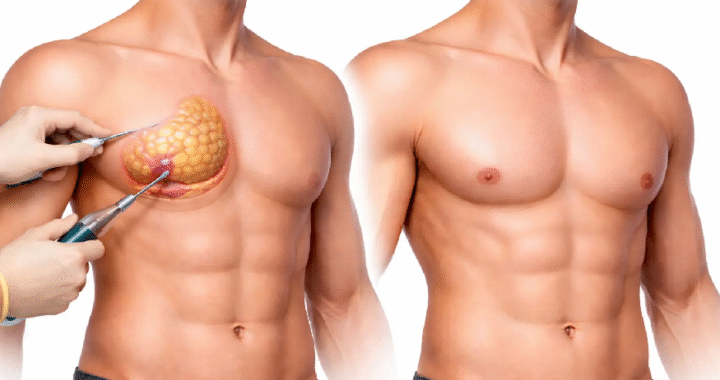 Gynecomastia Surgery Recovery Week by Week: Work, Driving, Sleep and the Gym