
What Causes Gas And Bloating In Children?
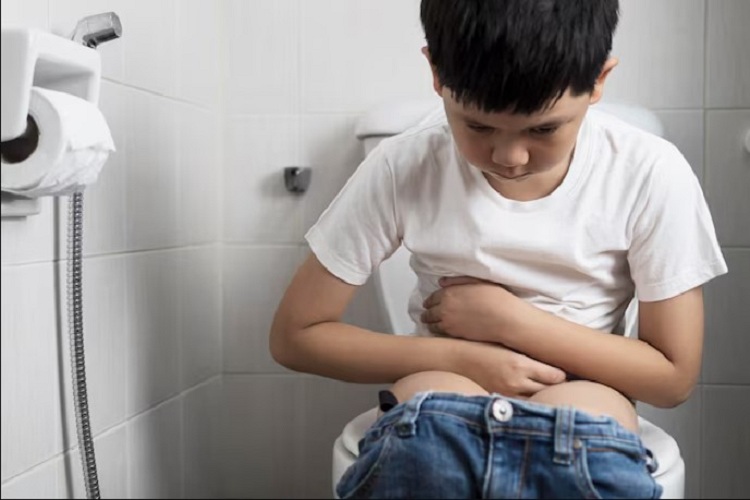
Gas and bloating are common digestive issues in children, often causing discomfort and restlessness. While occasional gas is normal, persistent bloating or excessive gas may indicate an underlying problem. Understanding the causes, signs, and treatment options can help parents manage these issues effectively and ensure the digestive health of their child. In this blog, let’s see what causes gas and bloating in children in detail.
What Is Gas And Bloating In Children?
Gas in children occurs when digestive gases or air accumulate in the intestines or stomach. This can happen due to swallowing air while drinking or eating, or as a natural byproduct of digestion. Bloating refers to the sensation of tightness, fullness, or swelling in the abdomen resulting from excess gas. While gas is a normal part of excessive gas, digestion or bloating may lead to irritability, discomfort, or changes in bowel habits and appetite.
What Are The Signs Of Gas And Bloating In Children?
Recognizing the signs of bloating and gas pain in children is essential for timely intervention. Some common symptoms include:
- Abdominal Discomfort or Pain: Children may complain of a tug or stomach aches in their belly.
- Visible Swelling: The abdomen may appear larger or distended than usual.
- Frequent Passing Gas or Burping: Excess gas often leads to noticeable flatulence or burping.
- Changes in Bowel Habits: Gas and bloating can accompany diarrhea or constipation.
- Irritability or Restlessness: Younger children may become irritable or fussy due to discomfort.
- Loss of Appetite: Some children may refuse meals if they feel gassy or bloated.
Observing these signs helps parents identify whether the symptoms require medical attention or are occasional.
What Are The Causes Of Gas And Bloating In Children?
Several factors can contribute to abdominal bloating in children. Common causes include:
1) Swallowing Air: Children often swallow air while drinking carbonated beverages, eating quickly, or sucking on straws, which can lead to gas buildup.
2) Dietary Choices: Certain foods are harder to produce more gas and to digest. Common culprits include lentils, beans, cabbage, broccoli, onions, cauliflower, and carbonated drinks.
3) Food Intolerances: Lactose sensitivity or intolerance to other foods can cause cramping, bloating, and diarrhea.
4) Constipation: When bowel movements are infrequent, gas can accumulate, leading to discomfort and bloating.
5) Digestive Disorders: Conditions such as celiac disease or Irritable Bowel Syndrome (IBS) may lead to excessive gas and chronic bloating.
6) Swallowing Habits: Some children suck on candies or chew gum, which can increase gas production and air intake.
7) Illnesses or Infections: Gastrointestinal infections may temporarily cause cramps, bloating, or excess gas.
Identifying the root cause is important for effective management and preventing recurrent episodes.
How Can Gas And Bloating In Children Be Treated?
Managing gas and bloating in children often involves a combination of lifestyle changes, dietary adjustments, and medical care, if necessary. Strategies include:
- Consult A Pediatrician: If symptoms are persistent, severe, or accompanied by blood in stools, vomiting, or unexplained weight loss, medical evaluation at the best pediatric gastroenterology hospital in Coimbatore is necessary to rule out underlying conditions.
- Encourage Slow Eating: Teach children to eat slowly and chew food thoroughly to reduce swallowed air.
- Monitor Diet: Reduce foods that are known to cause gas. Incorporate fiber gradually to prevent constipation without causing excessive gas.
- Identify Food Intolerances: If lactose intolerance or other sensitivities are suspected, consult a pediatrician for appropriate dietary adjustments.
- Promote Physical Activity: Regular movement helps relieve trapped gas and stimulate digestion.
- Use Gentle Remedies: Warm baths, mild discomfort, guided stretching, or abdominal massages can help relieve gas.
- Avoid Straws And Carbonated Drinks: These can introduce excess air into the digestive tract.
Simple home remedies, combined with careful dietary choices, often relieve most cases of gas and bloating. However, timely medical guidance and parental vigilance ensure the child’s overall digestive health is maintained.
Conclusion
Gas and bloating in children are common but can cause distress and discomfort if not addressed. Understanding the causes, recognizing the signs, and adopting preventive measures are key to managing this condition effectively.
By monitoring food intake, encouraging healthy eating habits, and promoting physical activity, parents can reduce episodes of gas and bloating. While occasional gas is persistent, normal or severe symptoms require medical attention to ensure there are no underlying digestive issues. Ensure that you consult a best gastro specialist in Coimbatore for the right attention and care for your children so that they can enjoy better digestive comfort and overall well being.
 Navigating the Globe with Confidence: The Complete Travel Guide for Type 1 Diabetes
  Discover the Best TRT Clinic in Boston: Your Guide to Quality Hormone Care
  Best Nicotine Gum Options: Key Benefits and How to Choose the Right One
  Complete Guide to Diagnosis and Treatment of Hypertension
  5 Toronto Dietitian Approved Habits for a Healthy New Year
  The Quiet Factors That Define a Reliable Angiography Device
  How Anti Aging Clinics Personalize Treatment Plans for Different Skin Types
  Dental Infection Treatment and the Evolution of Advanced Dental Technology