
Navigating the Globe with Confidence: The Complete Travel Guide for Type 1 Diabetes

Travel is one of life’s greatest teachers, offering a window into different cultures, landscapes, and experiences. For those living with Type 1 Diabetes, however, the prospect of leaving behind a controlled routine and a familiar medical system can introduce a layer of anxiety. Managing insulin, monitoring glucose levels in different time zones and navigating airport security are significant tasks that require more than just a passport. Yet, with a proactive approach to preparation and a shift in mindset, the world remains entirely accessible. By treating diabetes management as a vital part of the itinerary rather than a barrier to it, travelers can enjoy the spontaneity of adventure with the security of a solid plan.
The Foundation of Pre-Trip Medical Coordination
The secret to a stress-free journey begins weeks before you reach the airport. The first step for any travel guide for type 1 diabetes is a dedicated consultation with their endocrinologist. This visit is about more than just a routine check-up; it is a strategic planning session. You should discuss how to adjust insulin dosages for long-haul flights and how to manage the “insulin on board” during significant time zone shifts. This is also the time to secure a formal medical letter. This document should clearly state your diagnosis, the necessity of carrying syringes or insulin pumps, and the fact that you must carry snacks and glucose tabs at all times.
Beyond the paperwork, it is essential to request double the amount of supplies you expect to need. Travel is unpredictable, and flights can be delayed, luggage can go missing, or sensors can fail. Having a “buffer supply” ensures that a minor logistical hiccup does not turn into a medical emergency. Additionally, research the availability of insulin and pharmacies at your destination. Knowing the local names for your specific insulin brands or having a plan for where to go if you lose your kit provides an invaluable sense of security when you are far from home.
Mastering Airport Security and Air Travel Logistics
Navigating the Transportation Security Administration or international customs is often the most stressful part of the journey. The golden rule for air travel with diabetes is that your supplies must never be checked. The cargo hold of an aircraft is not climate-controlled and can reach freezing temperatures that will denature your insulin, rendering it useless. Furthermore, if your checked bag is lost, your life-sustaining medication goes with it. Keep all your insulin, pumps, sensors, and glucose monitors in your carry-on bag, ideally in a clear, dedicated pouch that you can easily present to security officers.
When passing through security, it is important to communicate clearly with the agents. Most modern insulin pumps and continuous glucose monitors are not designed to go through X-ray machines or full-body scanners, as the radiation can interfere with their delicate electronics. You have the right to request a hand-patting and a manual inspection of your devices instead. While it may take a few extra minutes, it protects your expensive and vital equipment. Once on the plane, keep a fast-acting glucose source within arm’s reach. The change in cabin pressure, the stress of travel, and the timing of airplane meals can all cause unexpected fluctuations in blood sugar.
Read More: Discover the Best TRT Clinic in Boston: Your Guide to Quality Hormone Care
Managing Time Zones and Circadian Shifts
Traveling across multiple time zones is a unique challenge for Type 1 Diabetes management. For those using an insulin pump, the device makes it relatively easy to adjust the internal clock to local time upon arrival. However, for those on multiple daily injections, the transition requires a bit more calculation. Generally, if you are traveling east, your day becomes shorter, and you may need less basal insulin. If traveling west, your day stretches out, and a small supplemental dose might be necessary to cover the extra hours.
Technology is a major ally in this process. Continuous glucose monitors provide real-time data that allows you to see how the stress of travel and new foods are affecting your levels without the constant need for finger pricks in a cramped airplane seat. It is also helpful to keep your phone or watch on your “home” time until you reach your destination. This helps you track exactly when you took your last long-acting dose, preventing the dangerous mistake of double-dosing during the confusion of a long international flight.
Conclusion
Type 1 Diabetes is a constant companion, but it does not have to be a travel companion that dictates the boundaries of your world. By investing time in thorough pre-trip coordination, understanding the nuances of airport security, and remaining flexible with your management as you cross time zones, you can minimize the stress of the journey. The key is preparation combined with a healthy dose of patience. When you are well-equipped with extra supplies and a clear plan, you free up your mental energy to focus on what truly matters: the breathtaking views, the new friendships, and the unforgettable memories that travel provides. The horizon is wide, and with a little extra planning, it belongs to you just as much as anyone else.
Read More: Best Nicotine Gum Options: Key Benefits and How to Choose the Right One
 Discover the Best TRT Clinic in Boston: Your Guide to Quality Hormone Care
  Best Nicotine Gum Options: Key Benefits and How to Choose the Right One
  Complete Guide to Diagnosis and Treatment of Hypertension
  5 Toronto Dietitian Approved Habits for a Healthy New Year
  What Causes Gas And Bloating In Children?
 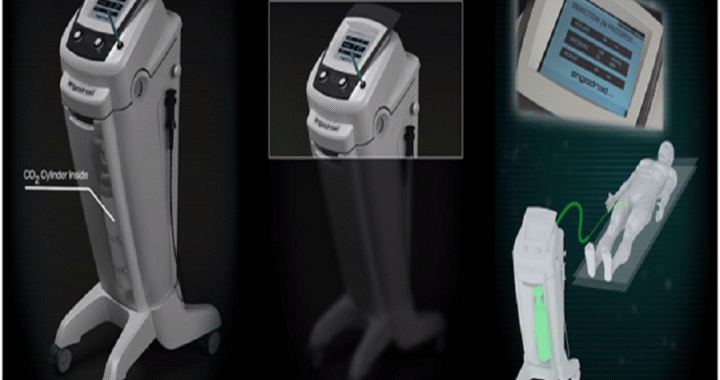 The Quiet Factors That Define a Reliable Angiography Device
  Navigating the Globe with Confidence: The Complete Travel Guide for Type 1 Diabetes
  How Anti Aging Clinics Personalize Treatment Plans for Different Skin Types
 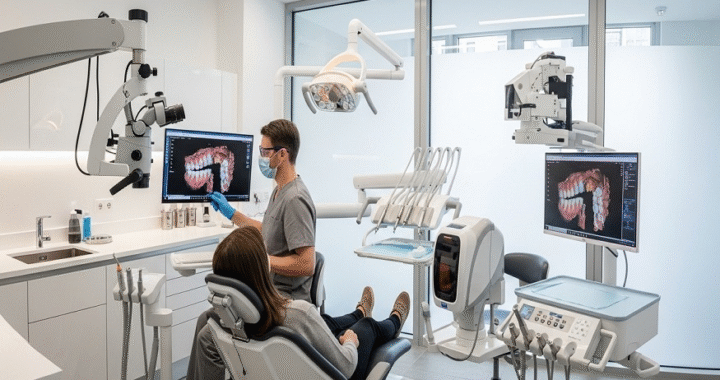 Dental Infection Treatment and the Evolution of Advanced Dental Technology