
Eco-Friendly Restaurants: Why Compostable Cutlery Is a Smart Choice
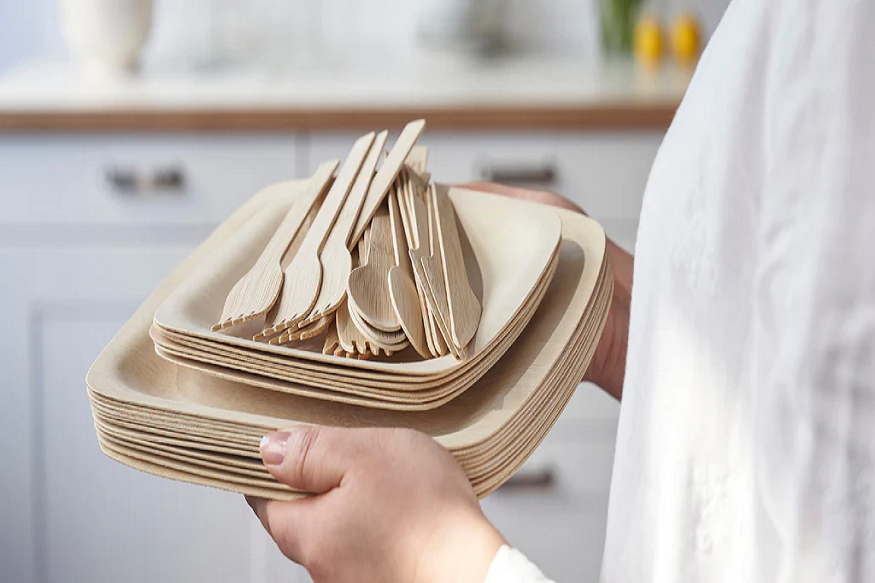
Sustainability has become a key consideration for businesses and consumers alike. In the restaurant industry, adopting eco-friendly practices is no longer optional but increasingly expected by patrons who value environmental responsibility. One of the simplest yet most impactful changes a restaurant can make is switching to compostable cutlery. These products offer a practical alternative to traditional plastic utensils while supporting a sustainable and health-conscious dining experience. This article explores the benefits of compostable cutlery and why investing in USA-made cutlery can be a smart choice for restaurants and food service establishments.
Understanding Compostable Cutlery
Compostable cutlery refers to forks, knives, spoons, and serving utensils made from plant-based materials that can break down naturally in composting environments. Unlike conventional plastic utensils that can take centuries to decompose, compostable cutlery transforms into nutrient-rich compost when disposed of correctly.
Materials used for compostable cutlery include cornstarch, bamboo, wheat straw, and other renewable resources. Restaurants can enjoy the convenience of disposable utensils while minimizing environmental impact. Choosing USA-made cutlery adds the benefits of supporting local manufacturing and reducing carbon emissions associated with transportation.
Environmental Benefits of Compostable Cutlery
Reducing Plastic Pollution
Plastic utensils are among the top contributors to landfill waste and ocean pollution. They can harm marine life and persist in the environment for hundreds of years. Compostable cutlery offers a sustainable alternative by decomposing naturally, helping restaurants minimize their ecological footprint.
Supporting Composting Practices
Restaurants that use compostable cutlery can incorporate food scraps and utensils into commercial composting programs. This practice reduces landfill waste and produces nutrient-rich soil that benefits agriculture and landscaping projects. It also reinforces a restaurant’s commitment to sustainable operations.
Lower Carbon Footprint
Compostable cutlery is generally made from renewable plant-based materials rather than petroleum-based plastics. This results in a smaller carbon footprint during production. Selecting USA-made cutlery further enhances sustainability by reducing transportation emissions and supporting local eco-friendly businesses.
Health and Safety Advantages
Free From Harmful Chemicals
Unlike some plastic alternatives, compostable cutlery is typically free from harmful chemicals such as BPA or phthalates. This ensures that utensils do not contaminate food, providing a safer and healthier dining experience for customers.
Biodegradable and Non-Toxic
Compostable cutlery is designed to degrade naturally without releasing toxic substances. This makes it a safe choice for both commercial and home use, while also reducing environmental risks associated with plastic disposal.
Benefits for Restaurants
Enhancing Brand Image
Modern diners often prefer restaurants that demonstrate environmental responsibility. By using compostable cutlery, eateries can communicate their commitment to sustainability, attracting eco-conscious customers and strengthening brand loyalty.
Compliance With Regulations
Many cities and states are implementing restrictions on single-use plastics, including cutlery. Switching to compostable cutlery helps restaurants comply with these regulations while maintaining the convenience and service quality expected by patrons.
Cost-Effectiveness in the Long Term
While compostable cutlery may have a slightly higher upfront cost compared to traditional plastic, the long-term benefits often outweigh the initial investment. Reduced environmental fines, positive public perception, and alignment with consumer expectations contribute to overall cost-effectiveness.
Benefits for Home and Catering Use
Encouraging Sustainable Practices
Using compostable cutlery at home or during catered events promotes eco-friendly habits. It allows individuals to host gatherings responsibly, demonstrating the importance of sustainability to family members, guests, or clients.
Convenience Without Environmental Guilt
Compostable cutlery provides the convenience of disposable utensils without contributing to long-lasting pollution. This makes them ideal for parties, picnics, or any situation where washing reusable utensils is impractical.
Seamless Integration With Composting
Compostable cutlery can be easily added to home or commercial composting systems, allowing households and catering businesses to close the loop on waste management. Proper disposal ensures that utensils contribute to soil enrichment rather than landfill accumulation.
Key Materials Used in Compostable Cutlery
Cornstarch
Cornstarch cutlery is strong, flexible, and biodegradable. It can handle both hot and cold foods, making it suitable for various dining applications. Cornstarch utensils are designed to break down in industrial or home composting environments.
Bamboo
Bamboo cutlery is durable, naturally compostable, and visually appealing. Bamboo grows quickly with minimal resources, making it one of the most sustainable choices for eco-friendly utensils. These utensils are strong enough to handle heavier meals and repeated use in certain contexts.
Wheat Straw
Wheat straw is a byproduct of agricultural processes that can be transformed into sturdy cutlery. These utensils are fully compostable and provide a unique, natural aesthetic that aligns with eco-conscious branding.
Other Plant-Based Materials
Additional plant-based materials are increasingly used for compostable cutlery, offering diverse textures, colors, and styles. Restaurants can select utensils that complement their branding and dining experience while remaining environmentally responsible.
Choosing the Right Compostable Cutlery
Look for Certification
Not all compostable cutlery breaks down in the same way. Look for certifications from reputable organizations to ensure utensils meet compostability standards. This guarantees proper degradation in home or commercial composting systems.
Consider Durability and Use
Select cutlery based on the types of meals served. Heavier or saucier dishes may require sturdier utensils, while lighter foods may be suitable for more flexible materials. The right choice ensures customer satisfaction and reduces waste from broken or inadequate utensils.
Opt for USA-made Cutlery
Choosing USA-made cutlery supports local businesses and reduces transportation emissions. Domestic production often adheres to higher environmental and quality standards, providing assurance of performance and sustainability.
Aesthetic and Functional Appeal
Modern compostable cutlery is available in various colors, shapes, and textures. Restaurants can maintain a visually appealing dining presentation while embracing eco-friendly practices. From casual eateries to fine dining establishments, utensils can be selected to fit the desired atmosphere.
Proper Disposal of Compostable Cutlery
Proper disposal is essential to maximize the environmental benefits of compostable cutlery.
- Home Composting: Most plant-based cutlery can be added to home compost bins. Breaking utensils into smaller pieces accelerates decomposition.
- Commercial Composting: Some materials, such as cornstarch, may require industrial composting facilities. Always check packaging for disposal guidelines.
- Avoid Contamination: Remove non-compostable coatings, packaging, or plastics before disposal to ensure proper composting.
Following these steps ensures that compostable cutlery contributes to a cleaner, greener environment.
Common Misconceptions About Compostable Cutlery
They cannot Handle Hot Foods
Some assume compostable cutlery is weak or unsuitable for hot meals. In reality, modern materials such as bamboo and cornstarch can handle high temperatures without bending or breaking.
They Are Not Attractive
Eco-friendly utensils now come in various designs, colors, and finishes. Restaurants can provide visually appealing dining experiences while maintaining sustainable practices.
Compostable Means Reusable
Compostable cutlery is generally single-use and designed to degrade after disposal. Reusable utensils, such as metal or silicone, are a separate category of sustainable options.
Compostable cutlery represents a practical and eco-friendly solution for restaurants, catering businesses, and homes. By reducing plastic pollution, supporting composting practices, and offering safer alternatives for food service, these utensils align with sustainable dining goals. Choosing USA-made cutlery further strengthens environmental responsibility while supporting local manufacturing and high-quality standards.
Adopting compostable cutlery can also enhance a restaurant’s brand image, ensure regulatory compliance, and encourage eco-conscious habits among customers and staff. For homes and events, these utensils provide convenience without guilt, seamlessly integrating with composting practices.
Embracing compostable cutlery is more than an operational decision—it is a commitment to a sustainable future. By making this simple yet impactful change, businesses and households can enjoy practical benefits while actively contributing to a healthier planet.
 How to Snack Smart Without Derailing Fitness Goals
  Beyond the Bowl: Healthy Granola Bakes for Weight Loss and Sustained Energy
 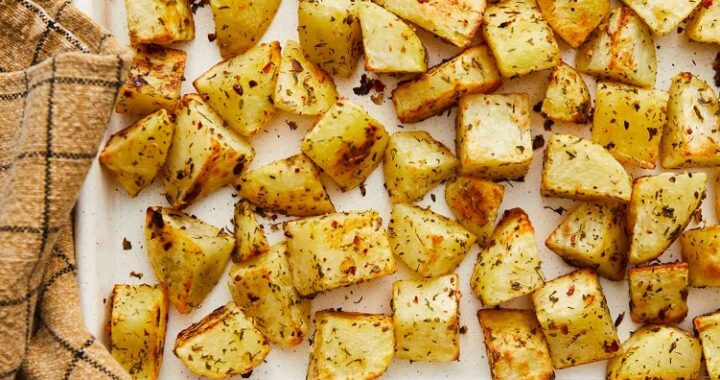 How To Achieve The Ideal Baked Potato In The Oven Every Time?
 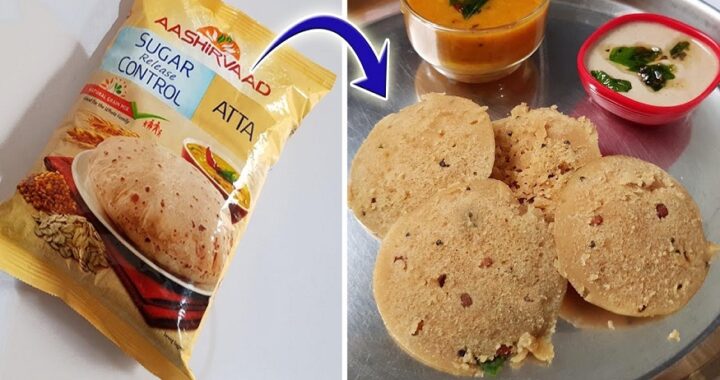 What is sugar release control atta? Is it beneficial?
  The Impact of Water Delivery Services on Reducing Plastic Waste
  The Role of Water Delivery Services in Public Health
  Dental Infection Treatment and the Evolution of Advanced Dental Technology
 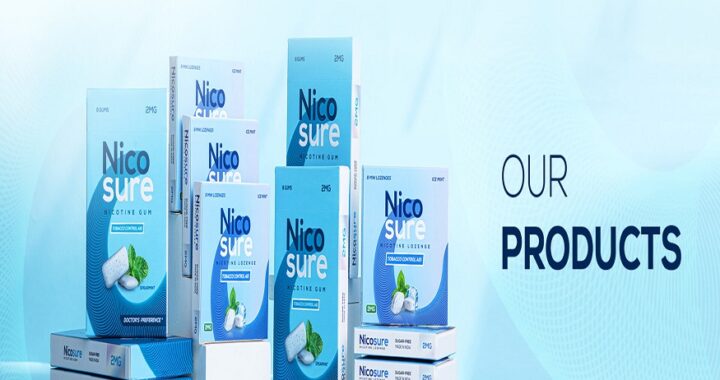 Best Nicotine Gum Options: Key Benefits and How to Choose the Right One
  Deep Cleaning Woodland Hills: Understanding Gum Health and Advanced Dental Cleaning
 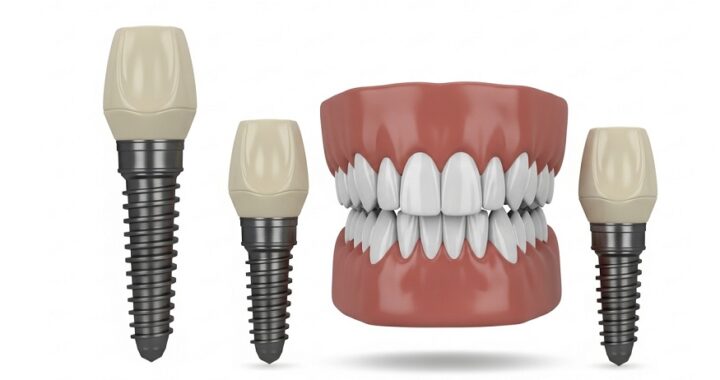 Dental Implants and Osteoporosis: What Patients Should Know About Safety and Healing