
Dental Implants and Osteoporosis: What Patients Should Know About Safety and Healing
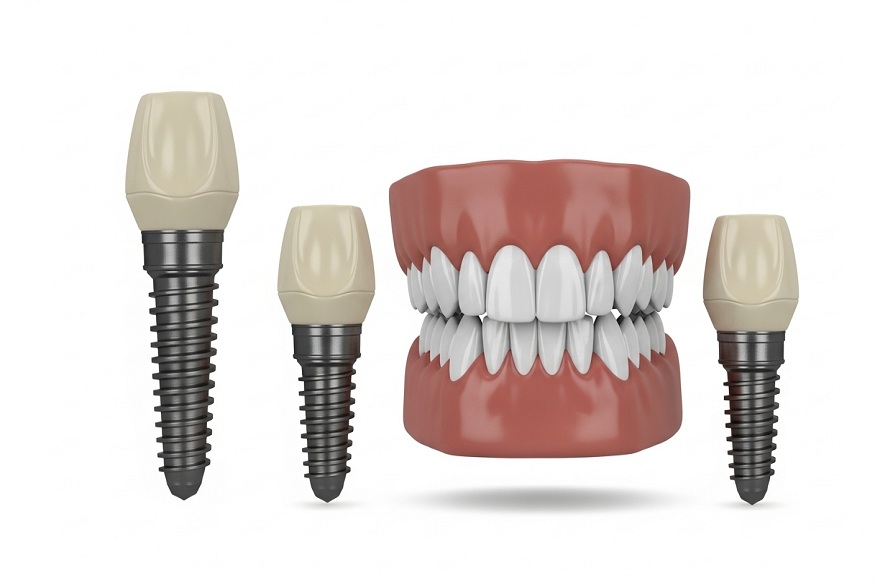
Osteoporosis affects millions of adults and is often associated with weakened bones and higher fracture risk. A common concern among patients is whether this condition prevents them from receiving dental implants. The good news is that osteoporosis alone does not automatically disqualify someone from implant treatment. With proper planning, medical coordination, and careful timing, many people with low bone density can successfully restore missing teeth using dental implants.
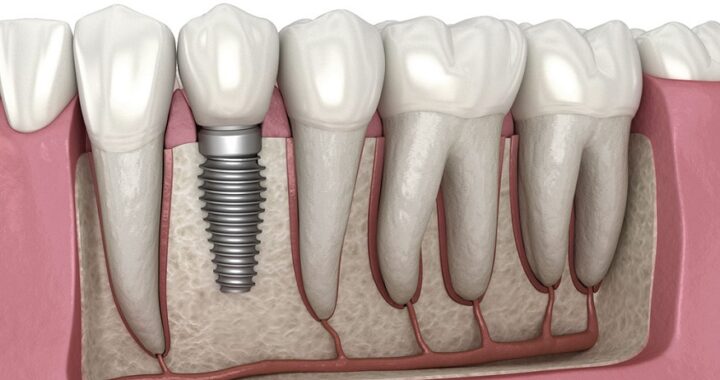
Dental implants work by integrating with the jawbone, creating a strong foundation for replacement teeth. While osteoporosis impacts overall bone strength, the jaw often responds differently than long bones such as the hips or spine. Studies have shown that implant success rates can remain high in patients with osteoporosis when their oral health is stable and procedures are properly managed.
One of the most important factors in implant planning is understanding a patient’s osteoporosis medications. Some drugs slow bone breakdown, while others encourage bone formation. Medications such as bisphosphonates and denosumab are commonly prescribed to reduce fracture risk. These drugs are generally safe, but they can influence healing after oral surgery, especially following extractions or implant placement. For this reason, dentists often coordinate closely with a patient’s physician to determine the safest timing for procedures.
In many cases, dental surgery is scheduled strategically around medication cycles to support proper healing. This does not usually mean stopping medication entirely, but rather planning treatment during periods when the body is best able to recover. Each patient’s medical history, length of medication use, and overall health are carefully reviewed before moving forward.
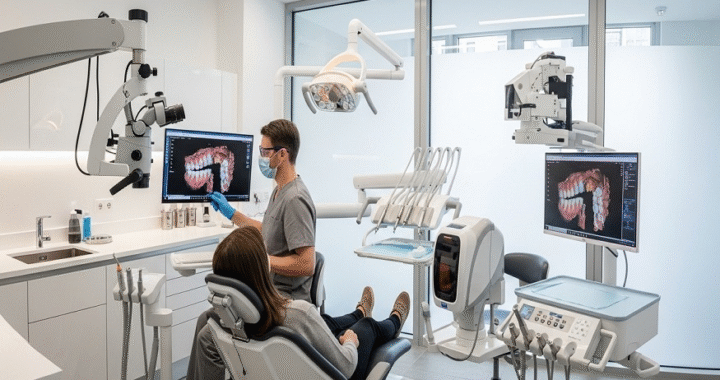
Advanced dental imaging plays a key role in safe implant placement for patients with osteoporosis. Three dimensional scans allow dentists to evaluate bone quality, thickness, and anatomy in detail. This technology helps guide precise implant positioning and may reduce the need for more invasive procedures. When bone volume is limited, gentle grafting techniques may be used to create a stronger foundation for the implant.
Good oral health is another essential factor in successful outcomes. Gum disease, untreated decay, and poor hygiene can interfere with healing and increase the risk of complications. Patients are often encouraged to complete any necessary dental care and improve daily oral care habits before implant surgery. Managing conditions such as diabetes, avoiding smoking, and maintaining proper nutrition also support bone healing and long-term implant stability.
After implant placement, healing typically takes several weeks to a few months as the bone bonds with the implant surface. During this time, patients follow post procedure instructions carefully, including maintaining cleanliness around the area, eating softer foods initially, and attending follow up appointments. Most people experience only mild discomfort that resolves within a few days.
Overall, dental implants remain a reliable and effective tooth replacement option for many individuals with osteoporosis. The key is personalized treatment planning that considers medication use, bone quality, and overall health. When dental and medical providers work together, patients can achieve strong, long lasting results while minimizing risks.
For those living with osteoporosis and considering dental implants, a thorough consultation with a knowledgeable dental professional is the best first step. With modern technology and careful coordination, restoring a confident smile is often well within reach.
 Dental Infection Treatment and the Evolution of Advanced Dental Technology
  Deep Cleaning Woodland Hills: Understanding Gum Health and Advanced Dental Cleaning
  Improving Your Smile in Woodland Hills: A Balanced Approach to Confidence and Oral Care
  The Step by Step Process of Getting Dental Implants in Fargo
 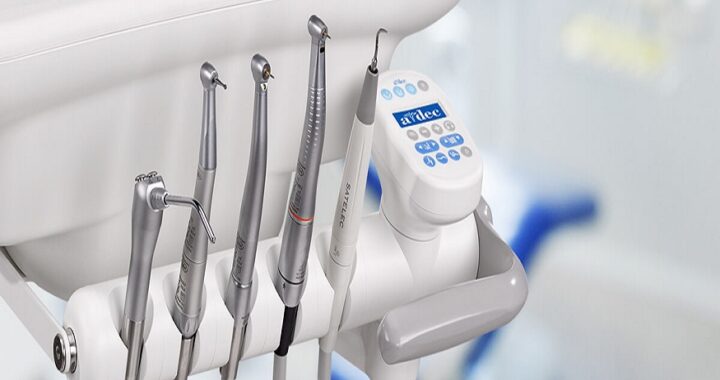 Understanding the Different Types of Dental Handpieces
  Dr. Kami Hoss Discusses the Importance of Prioritizing Oral Health
  Why Brazilian Jiu Jitsu Is the Perfect Full-Body Workout
  Navigating the Globe with Confidence: The Complete Travel Guide for Type 1 Diabetes
  How Anti Aging Clinics Personalize Treatment Plans for Different Skin Types
  Discover the Best TRT Clinic in Boston: Your Guide to Quality Hormone Care