
Are Dental Implants in Oakland Gardens Suitable for Multiple Missing Teeth
Key Takeaways
- Dental implants can replace several missing teeth in Oakland Gardens.
- Implant bridges may restore multiple gaps with fewer implants.
- Healthy gums and jawbone are important for treatment.
- Bone loss does not always prevent implant placement.
- Oakland Gardens patients have several tooth replacement options.
- Implant treatment can improve chewing and smile function.
- A dental exam helps confirm the right treatment plan.
- Good aftercare helps protect implant-supported teeth.
Losing several teeth can make everyday things like eating and speaking harder. It can also leave gaps that affect how your smile looks. For people who want a more secure way to replace missing teeth, dental implants in Oakland Gardens can be one option to discuss with a dentist. Implants can support single teeth, bridges, or other types of replacement teeth, depending on how many teeth are missing and where the gaps are.
The best treatment will depend on each person’s needs. Some people may only need a few implants to support a bridge, while others may need a different plan. The dentist will look at the gums, jawbone, nearby teeth, and overall oral health before deciding whether implants are a suitable choice.
How Do Implants Replace Several Teeth
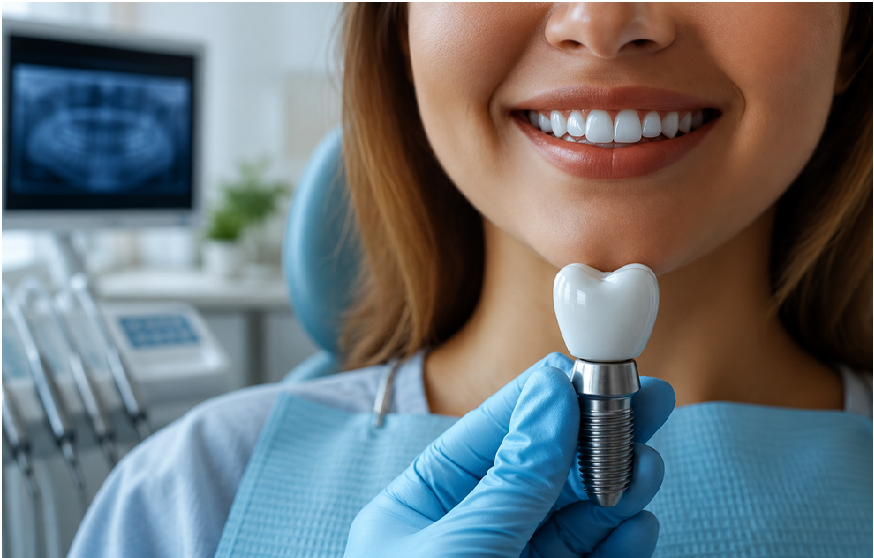
If you are missing several teeth, you may not need an implant for every tooth. Sometimes, several teeth can be replaced at the same time with a bridge supported by a few implants. This can provide a good base for the new teeth without the need to support the natural teeth next door.
See a dentist to find out what option may work best for your mouth. Your dentist will check on your gums, any remaining teeth, your bite, and your jawbone. Dental X-rays or scans might be taken to see if you have sufficient bone to adequately support the implants.
Three missing teeth in a row don’t always necessitate three separate implants. Sometimes a bridge replacing three teeth can be supported by just two implants. The exact number will depend on your bone health, your mouth, and where the missing teeth are located.
Why Multiple Missing Teeth Matter
Leaving several missing teeth untreated can make everyday tasks more difficult. Chewing may become uneven because people often begin relying more heavily on the opposite side of their mouth. Depending on the location of the gaps, speech can also change.
Implants can be useful because they are placed in the jaw and provide support for the replacement restoration. Unlike a traditional fixed bridge, an implant-supported option may not require neighboring healthy teeth to serve as the main anchors.
How Can a Dentist Manage Bone Loss?
Bone condition is an important part of implant planning because implants need support from the jaw. After a tooth has been missing for some time, the bone in that area may slowly change. The amount of available bone can also be different from one person to another.
If there is not enough bone for implant placement, extra treatment may sometimes be needed. A dentist in Oakland Gardens can check the area and explain whether the bone needs to be strengthened before or during implant treatment.
The upper back part of the mouth can sometimes need extra care because it is close to the sinus. In some cases, procedures such as a sinus lift or bone graft may be considered to improve support for the implant.
Not everyone with bone loss needs extra surgery. Dental scans and a full examination help the dentist decide whether there is enough bone for implant placement.
Conventional Bridges Vs Implant Bridge
Traditional bridges and implanted bridges both replace missing teeth, but with different types of support. A traditional fixed bridge is fixed to the teeth on either side of the space. The teeth may require preparation to fit the crowns over them. An implanted bridge, in contrast, is attached to implants that are placed in the jaw and is not primarily retained by the adjacent natural teeth.
This may be an important difference if the teeth adjacent to the space are healthy and the patient does not want those teeth prepared for crowns. However, for some patients, a traditional bridge might be a sensible option, particularly if implant surgery is not an option or existing teeth need restoration.
If you have more than one tooth missing, there are removable partial dentures, too. They can replace several teeth without implant surgery. But they have to be taken out for cleaning. Your best choice depends on your oral health, expectations for comfort, available bone, treatment time, personal preferences, and other individual factors.
What Does Treatment Usually Involve?
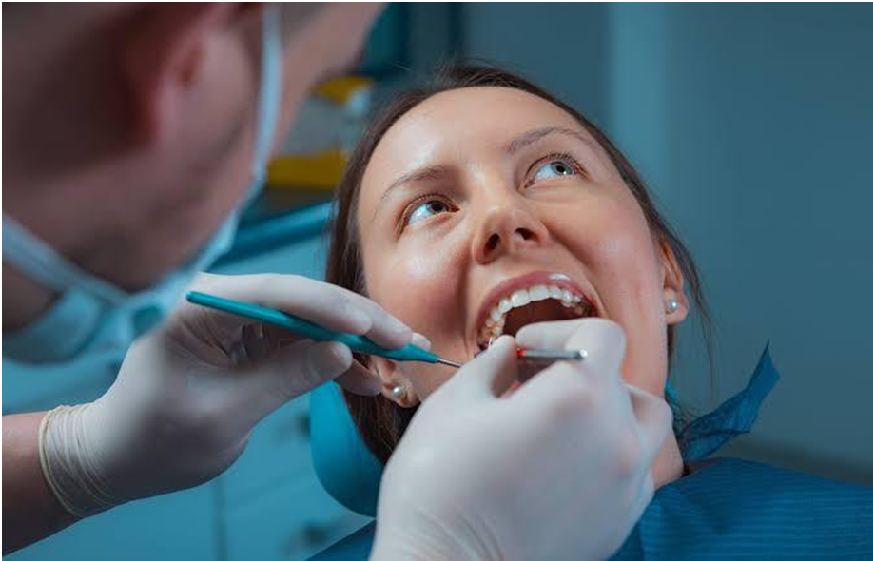
Implant treatment normally begins with careful planning rather than immediate surgery. The dentist needs to know where the implants can be safely positioned and what kind of final restoration they will support. The process may include a dental examination, imaging, review of medical history, evaluation of the gums, and discussion about the final appearance and function of the replacement teeth.
The implant posts are then surgically positioned in the planned areas. Healing allows the surrounding bone to integrate with the implants. According to the ADA, this process is known as osseointegration and may take several months in some patients. Once healing is sufficient, connecting components and the final bridge, crowns, or other restorations can be fitted. Temporary teeth may sometimes be used during part of the treatment period, depending on the individual case.
Treatment times can vary considerably. Bone procedures, healing ability, the number of implants, and the complexity of the final restoration can all influence the schedule.
Final Thoughts
There are usually several ways to replace multiple missing teeth. Implants can offer stable support and may not rely as much on adjacent teeth, but are not always the best solution for all patients.
A good decision should take into consideration the number and location of missing teeth, the status of the remaining teeth, the condition of the gum tissue, the amount of bone available, the patient’s medical history, the ability to clean the teeth, treatment expectations, and the patient’s personal wishes. These factors can be considered together in a thorough dental evaluation.
Iconic Smiles Dental Boutique provides personalized dental care for patients considering ways to replace multiple missing teeth. The team can assess your oral health, explain suitable implant options, and help you understand each step of the treatment. If you are thinking about restoring your smile and chewing comfort, you can book a consultation to discuss the options that may suit your needs.
Frequently Asked Questions
Question: Can 2 implants replace 3 missing teeth?
Answer: Well, sometimes. Two properly positioned implants can support a bridge with 3 replacement teeth. Whether this is a good arrangement depends on the position of the missing teeth, available bone, bite forces, and the design of the final prosthesis.
Question: Do I need an implant for every missing tooth?
Answer: Not necessarily. Sometimes a bridge supported by implants can replace several missing teeth with fewer implants than the number of teeth being replaced. A dentist will look at dental images and examine the mouth to find the safest arrangement.
Question: I have had missing teeth for many years. Will I be able to have implants?
Answer: Perhaps. With long-term loss of a tooth, changes may occur in the jawbone, and the available bone needs to be assessed first. Some patients still have enough bone for implant treatment. Others may need other procedures before implants can be considered.
Question: How long will it take to replace several teeth with implants?
Answer: There is no single treatment time for everybody. Timing can be influenced by implant placement, healing, any bone procedures that may be necessary, and fabrication of the final restoration. In some cases, it may take several months for the healing around an implant to be ready for the final restoration to be placed.
Question: Are implant supported teeth hard to clean?
Answer: Yes, they do require routine care, but cleaning can be part of a normal daily routine. Brushing and cleaning under or around an implant bridge is important. Depending on the design of the restoration, the dental professional may recommend appropriate floss, interdental brushes, or other tools.
 Gynecomastia Surgery Recovery Week by Week: Work, Driving, Sleep and the Gym
  Why Crepey Skin Develops Even If You Look After Your Skin
  Finding Lasting Relief: Understanding Post-Nasal Drip and How an ENT Specialist Helps
  Planning Less, Enjoying More: Why Pre-Booked Activity Holidays Are on the Rise
  Unlocking Better Movement: How Chiropractic Care Eases Neck Stiffness and Restores Mobility
  Hydration Hacks: Beyond Just Water for Active Lifestyles
  From Warm-Up to Cool-Down: Choosing the Right Compression Apparel for Training
  How Modern Work Culture Is Increasing the Need for Physical Relaxation
  Are Dental Implants in Oakland Gardens Suitable for Multiple Missing Teeth