
From Warm-Up to Cool-Down: Choosing the Right Compression Apparel for Training
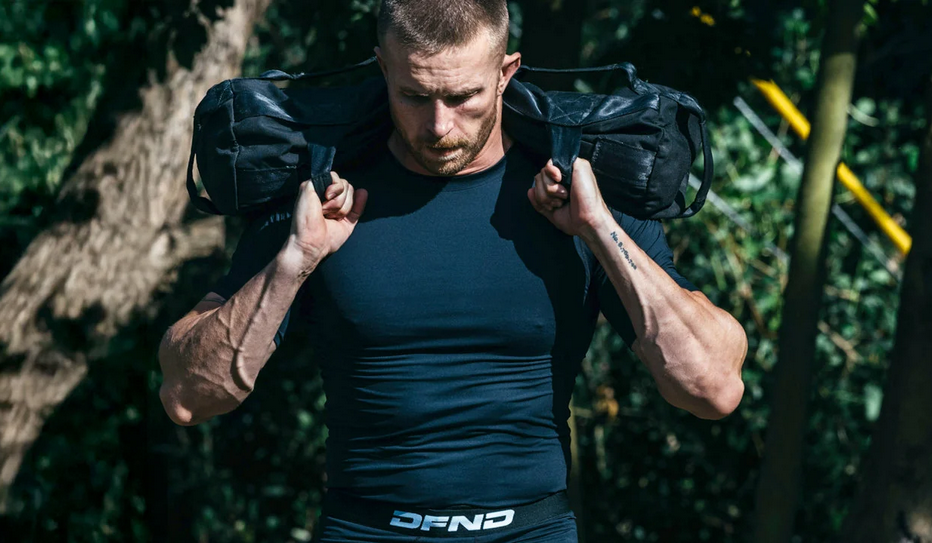
A training session rarely consists of one type of movement. Athletes may begin with mobility drills, progress into demanding exercises, and finish with stretching or light activity. Clothing that works well throughout these stages needs to accommodate changing levels of movement and intensity.
Compression apparel can be incorporated into different parts of a training routine because it offers a close-fitting alternative to loose athletic clothing. The right garment depends on the activity, temperature, personal preference, and amount of coverage required.
Understanding how different pieces can fit into a complete workout can make choosing training apparel easier.
Choose Bottoms Based on Movement
Exercises for the lower body might involve a lot of movement around the ankles, knees, and hips. Clothing that can move with the body is necessary for lateral motions, squatting, running, and jumping.
While longer tights could be more suitable when more leg coverage is required, compression shorts might offer a more streamlined choice for training in warm weather.
Read More: How Modern Work Culture Is Increasing the Need for Physical Relaxation
Whether or not an additional layer will be worn over the top may also influence the decision. Depending on the activity and circumstances, tights can be worn separately, but compression shorts can serve as a foundation under loose athletic shorts.
Consider the Intensity of the Main Workout
Clothing can have a noticeable effect on comfort as training gets more taxing. Repetitive jumping, sprinting, lifting, or abrupt direction changes are examples of high-intensity workouts.
Stretch-material clothing can support these motions without adding needless resistance. Because vigorous activity can result in large levels of perspiration, moisture management is another important factor.
Athletes can select coverage according on their workout needs thanks to DFND’s men’s compression line, which features various styles of clothing designed for active training.
Match Coverage to the Environment
Depending on the location, the same exercise can feel completely different. In mild or windy weather, indoor gym sessions could require less coverage than outdoor training.
Take into account the temperature, amount of sunlight, and length of the workout when working out outside. While short-sleeve blouses and shorts might be more comfortable in warmer weather, long sleeves and full-length tights can offer additional coverage.
For athletes who spend a lot of time outside, certain performance clothing also has UPF protection.
Prioritize Mobility During Strength Training
Large ranges of motion are common in strength training. Clothes that allow for bending and stretching are necessary for exercises like squats, deadlifts, presses, rows, and others.
A compression garment that fits properly should feel snug without restricting your range of motion. Because too much pressure in these places can become distracting during repeated activities, pay close attention to waistbands and arm openings.
Read More: Gynecomastia Surgery Recovery Week by Week: Work, Driving, Sleep and the Gym
The tightest fit isn’t always the best fitness. Compression clothing should permit normal movement and be chosen in accordance with the manufacturer’s sizing recommendations.
Keep Comfort in Mind During Cardio
Cardio exercises like cycling, rowing, and running can produce heat rapidly. Thus, clothing that is lightweight and has moisture-wicking qualities may be helpful.
While a compression shirt can be used as a base underneath another item of clothing or as a stand-alone training top, compression shorts or tights can be worn with a lightweight top.
Think about possible places of friction for longer sessions as well. When moving repeatedly, waistbands and seams should stay comfortable.
Build Around Your Training Schedule
Instead of purchasing clothes for a single, isolated workout, think about the things you do every week. Having many compression options with varying amounts of covering may be beneficial for someone who combines outdoor conditioning, weight training, and jogging.
While a long-sleeved shirt might be saved for outside workouts, a short-sleeved shirt might be ideal for indoor strength training. In a similar vein, full-length tights might provide more coverage during cooler workouts, while compression shorts might be helpful in warmer weather.
This method makes a training wardrobe more useful without requiring each item of clothing to have a specific function.
Evaluate Fit Before Performance Features
A poor fit cannot be made up for by sophisticated fabric technology. Examine measurements and recommended sizes thoroughly before making a purchase of compression clothes.
The clothing should fit snugly without penetrating the skin or obstructing mobility or breathing. Examine how the leg openings, sleeves, and waistline feel when you move like you would during a typical workout.
You may determine whether the garment maintains its place and provides the necessary range of motion by performing a few simple exercises while wearing it.
Conclusion
Exercise apparel must adapt to shifting situations and movements from the first mobility drill to the last stretch. A workout wardrobe can be made more adaptable by choosing items depending on fit, stretch, moisture management, coverage, and training environment.
When exploring athletic compression gear for men, think beyond the main workout itself. Warm-ups, intense workouts, aerobic sessions, cool-downs, and the transition afterward can all be completed with the proper combination. Consider how each piece of compression clothing might fit into your overall training regimen rather than viewing it as a one-time-use item.
 Dressing for the Heat: Summer Performance Polos and Base Layers
 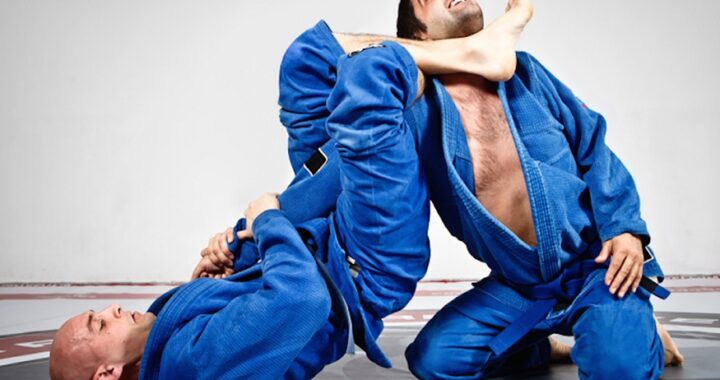 Why Brazilian Jiu Jitsu Is the Perfect Full-Body Workout
 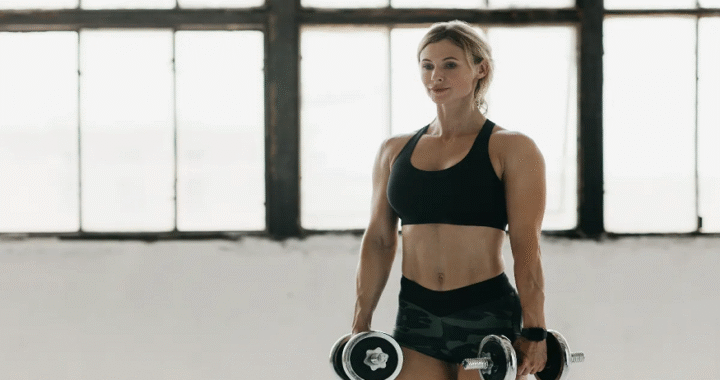 Stronger at 40: Balancing Work, Life, and Fitness
 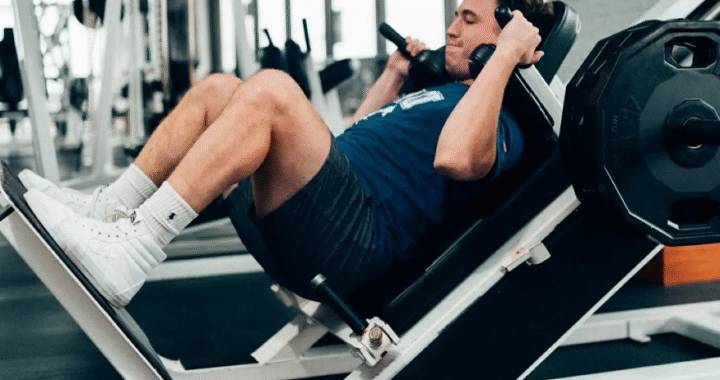 Top 10 Best Personal Training Options in Dallas
  Enhancing Endurance and Recovery with Anavar: What You Should Know
  Eco-Friendly Flooring: The Sustainable Revolution in Gyms and Playgrounds
 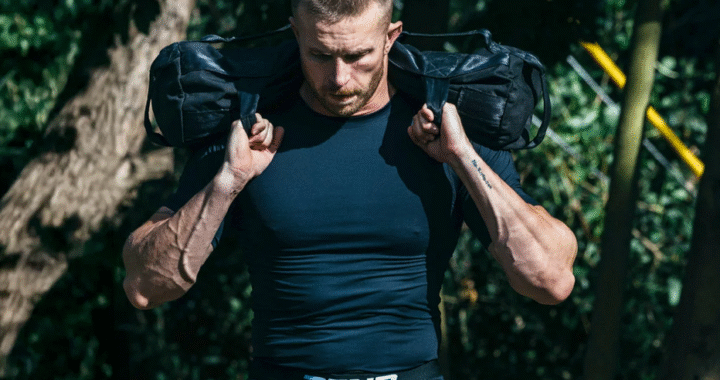 From Warm-Up to Cool-Down: Choosing the Right Compression Apparel for Training
  How Modern Work Culture Is Increasing the Need for Physical Relaxation
 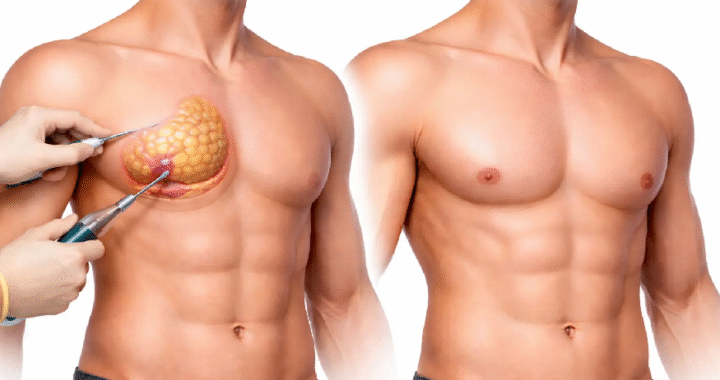 Gynecomastia Surgery Recovery Week by Week: Work, Driving, Sleep and the Gym
  Are Dental Implants in Oakland Gardens Suitable for Multiple Missing Teeth