
Gynecomastia Surgery Recovery Week by Week: Work, Driving, Sleep and the Gym

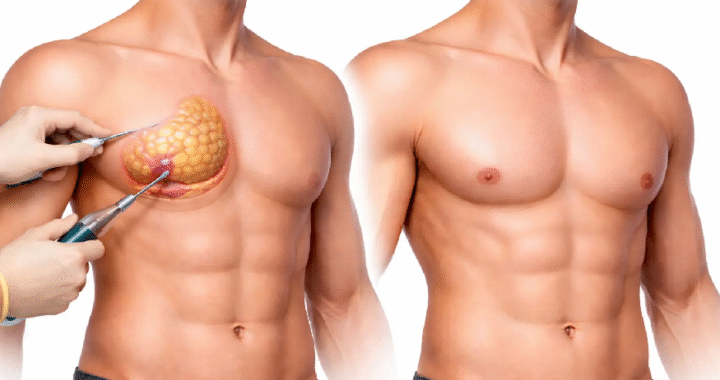
Most men can return to light daily activities within a few days of gynecomastia surgery. Desk work may be possible within several days to one week, while driving and exercise depend on the anesthesia used, the surgical technique and how comfortably you can move.
Chest swelling and firmness often last longer than the initial downtime. Although you may feel better quickly, the tissues continue healing for several months.
An Overview of Gynecomastia Surgery Recovery
| Recovery stage | What you may notice | General activity level |
| First 24–72 hours | Soreness, tightness, bruising and swelling | Rest, short walks and incision care |
| Days 4–7 | Discomfort begins improving | Light daily activity and some desk work |
| Week 2 | Less soreness, with swelling still present | More normal routines if cleared |
| Weeks 3–4 | Chest contour starts settling | Gradual increase in activity |
| Weeks 4–6 | Continued healing and reduced swelling | Progressive exercise with clearance |
| Months 3–6 | Softer tissue and clearer contour | Results become easier to evaluate |
Your timeline may be shorter after a limited awake procedure or longer when treatment includes extensive gland removal, loose-skin correction or nipple repositioning.
Read More: Why Crepey Skin Develops Even If You Look After Your Skin
What Should You Expect During the First Three Days?
The first 72 hours are usually when soreness, swelling and chest tightness are most noticeable. A compression garment may be placed immediately after surgery to support the treated tissues and help control swelling.
Some patients have small dressings or temporary drains. Others do not need drains, depending on the surgical approach.
Short walks around the house are generally encouraged, but avoid heavy lifting, forceful pushing, overhead reaching and movements that strongly engage the chest muscles.
The American Society of Plastic Surgeons notes that dressings, support garments and drains may be part of early recovery. Your instructions will reflect the procedure actually performed.
Keep medication, water and easy meals nearby. If your procedure involved sedation or general anesthesia, arrange for a responsible adult to drive you home and stay available during the initial recovery period.
When Can You Return to Work After Gynecomastia Surgery?
Your type of work matters more than the calendar alone.
Men with computer-based or remote jobs may feel ready to return within several days. A full week may be more comfortable when commuting, wearing professional clothing or sitting upright for long periods.
Jobs involving lifting, climbing, pushing, pulling or repetitive upper-body movement require more time. Manual workers may need modified duties before returning fully.
The return-to-work timeline after male breast reduction also depends on the grade of gynecomastia and whether treatment involves liposuction, gland excision or skin removal.
When Can You Drive After Gynecomastia Surgery?
Driving should be based on function and safety rather than a fixed number of days.
Do not drive while taking medication that causes drowsiness or slows your reaction time. You should also be able to turn the steering wheel, check over both shoulders and brake suddenly without significant discomfort.
Patients treated under general anesthesia or sedation need someone else to drive them home. Certain procedures performed under local anesthesia may have different instructions.
Follow the specific guidance provided after your procedure. The ability to drive home after one type of awake surgery should not be treated as a rule for every gynecomastia patient.
How Should You Sleep After Gynecomastia Surgery?
Most postoperative plans recommend sleeping on your back during early healing. Elevating the upper body with pillows or a wedge may reduce pressure on the chest and make it easier to get in and out of bed.
A recliner can also be useful for the first few nights. Pillows placed beside your arms may help prevent rolling onto your side while asleep.
The best sleeping position after gynecomastia surgery depends on the extent of treatment and the location of the incisions. Do not resume stomach or side sleeping until pressure on the chest is comfortable and your surgeon has approved it.
What Can You Do During the Second Week?
Many men feel substantially more functional by the second week. Walking, office work and routine errands may feel easier, although swelling, numbness and firmness can remain.
The chest may also appear uneven as one side heals faster than the other. Early asymmetry does not necessarily indicate a problem or predict the final result.
Cleveland Clinic explains that the final contour may take approximately three to six months to become apparent as swelling decreases and the tissues heal.
Continue wearing the compression garment according to your instructions. Avoid deciding that the chest is fully healed simply because soreness has improved.
Read More: Planning Less, Enjoying More: Why Pre-Booked Activity Holidays Are on the Rise
When Can You Work Out After Gynecomastia Surgery?
Returning to the gym should happen in stages. Exercise that raises blood pressure or strongly contracts the chest can increase discomfort and may interfere with early healing.
-
Walking and Light Cardio
Gentle walking is usually encouraged early because it supports circulation and prevents prolonged inactivity.
More sustained cardio may be added once your energy improves and your surgeon confirms that your incisions and swelling are progressing normally. Begin below your usual intensity.
-
Lower-Body Training
Lower-body exercise may be permitted before chest training, but many leg movements still require bracing through the upper body.
Heavy squats, deadlifts and loaded machines can place more strain on the chest than expected. A controlled stationary bike or light, machine-based leg work may be easier during the early return.
-
Upper-Body and Chest Workouts
Bench presses, push-ups, pull-ups, dips and overhead presses should not be the first exercises resumed.
The timeline for lifting weights after gynecomastia surgery varies according to the procedure. Men who undergo limited liposuction or gland removal may progress faster than those who require skin excision or nipple repositioning.
Some awake patients may be cleared for the gym at approximately two weeks. That clearance applies to selected patients and should not be interpreted as permission to immediately return to maximum chest training.
A sensible progression may include:
- Walking and normal daily movement
- Light cardio and controlled lower-body activity
- Light upper-body resistance
- Gradual return to chest training
- Progressive loading toward previous strength levels
Pain, pulling, increased swelling or new asymmetry are reasons to stop and contact the surgical team.
How Long Should You Wear a Compression Vest?
A compression vest supports the chest during healing and may help control swelling. The recommended number of hours per day and total duration vary by technique and surgeon preference.
Wear the garment exactly as directed. It should feel supportive without causing severe pressure, numbness, breathing difficulty or deep skin indentations.
Ask when it may be removed for showering and whether you need a second garment while the first is being washed.
Compression protocols may differ after liposuction-only treatment, combined gland excision and surgery involving excess skin. The right schedule is the one designed for your procedure.
What Is Normal After Surgery, and When Should You Call?
Some swelling, bruising, tightness, numbness and mild side-to-side differences are expected during early recovery.
Contact your surgical team promptly for:
- Increasing rather than improving pain
- Sudden or severe one-sided swelling
- Persistent bleeding
- An opening incision
- Pus-like drainage
- Fever or spreading redness
Seek immediate medical attention for chest pain, shortness of breath or heart palpitations.
Why Might Your Recovery Be Faster or Slower?
Recovery depends on more than age or general fitness. Important factors include:
- Liposuction alone versus gland excision
- The amount and density of tissue removed
- Skin removal or nipple repositioning
- Local anesthesia, sedation or general anesthesia
- Drain use
- Smoking or nicotine exposure
- Medical conditions
- Following activity restrictions
A Grade 1 case involving a small amount of glandular tissue is different from a Grade 4 chest requiring removal of tissue and excess skin. This Grade 4 gynecomastia case discussion demonstrates why recovery advice needs to match anatomy and procedure complexity.
Frequently Asked Questions
How long does gynecomastia surgery recovery take?
Many patients resume light routines within several days and desk work within several days to one week. More extensive procedures may require longer. Swelling and internal tissue healing can continue for three to six months.
Can I drive three days after gynecomastia surgery?
Some patients may be physically comfortable enough, but driving is not based on time alone. You must be free from impairing medication and able to steer, turn, check blind spots and brake suddenly without pain. Your surgeon should confirm when driving is appropriate.
When can I sleep on my side after male breast reduction?
Side sleeping should wait until pressure against the chest no longer causes pain and your surgeon approves the position. Many patients initially sleep on their backs with the upper body elevated.
When can I bench-press after gynecomastia surgery?
Bench-pressing should resume gradually after surgical clearance. Light daily activity and lower-impact exercise usually return before direct chest training. The timing differs for liposuction, gland excision and procedures involving loose skin.
Is swelling normal one month after gynecomastia surgery?
Yes. Mild swelling, firmness and temporary asymmetry can remain at one month. Contact your surgeon when swelling increases suddenly, becomes severely painful, affects only one side or occurs with redness, drainage or fever.
Gynecomastia recovery is not the same for every chest or every operation. A safe plan should reflect your anatomy, the tissues treated, and the physical demands of your normal routine.
 7 Reasons Your Doctor May Recommend an Ultrasound (USG) in Pregnancy
  Are Dental Implants in Oakland Gardens Suitable for Multiple Missing Teeth
  Why Crepey Skin Develops Even If You Look After Your Skin
  Finding Lasting Relief: Understanding Post-Nasal Drip and How an ENT Specialist Helps
  Planning Less, Enjoying More: Why Pre-Booked Activity Holidays Are on the Rise
  Unlocking Better Movement: How Chiropractic Care Eases Neck Stiffness and Restores Mobility
  From Warm-Up to Cool-Down: Choosing the Right Compression Apparel for Training
  How Modern Work Culture Is Increasing the Need for Physical Relaxation
  Gynecomastia Surgery Recovery Week by Week: Work, Driving, Sleep and the Gym