
Why Crepey Skin Develops Even If You Look After Your Skin
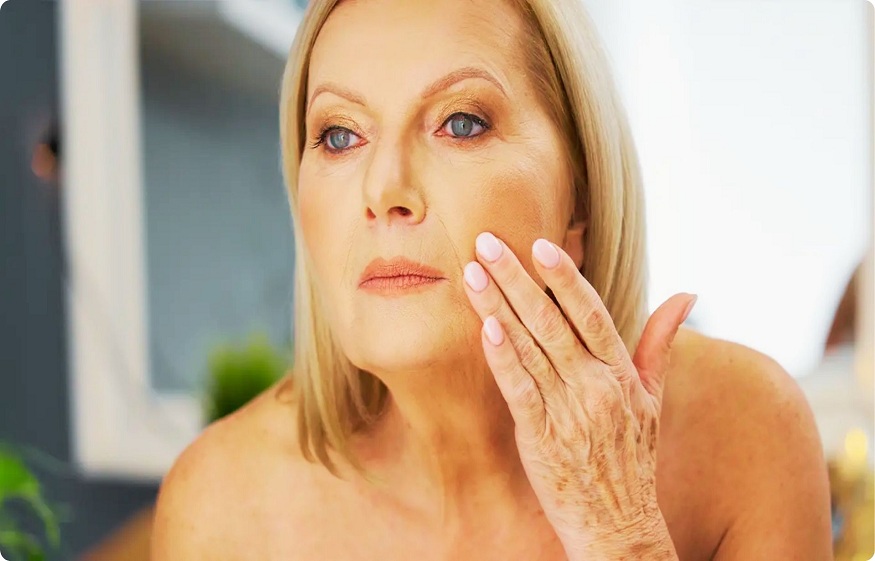
Many people are surprised when they begin to noticecrepey skin despite following a regular skincare routine. They may cleanse, moisturise, wear sunscreen and invest in high-quality products, yet their skin still starts to appear thinner, looser or more finely wrinkled over time. This often leads to the assumption that they have been doing something wrong. In reality, crepey skin is usually the result of several natural processes that occur as we age, many of which cannot be prevented entirely.
Looking after your skin is undoubtedly one of the best ways to maintain a healthy complexion, but skincare alone cannot stop the biological changes that gradually affect the skin’s structure. Understanding why crepey skin develops can help set realistic expectations and highlight the importance of combining good skincare with healthy lifestyle habits.
What Is Crepey Skin?
Crepey skin refers to skin that becomes thin, finely wrinkled and less elastic, often resembling the texture of crepe paper. Unlike deeper wrinkles, which usually form through repeated facial expressions, crepey skin affects larger areas and tends to appear more fragile.
Read More: Finding Lasting Relief: Understanding Post-Nasal Drip and How an ENT Specialist Helps
It is commonly seen on the face, neck, chest, upper arms, hands and around the eyes, although it can develop almost anywhere on the body. The condition often becomes more noticeable with increasing age, but some people experience it earlier than others due to a combination of environmental and genetic factors.
Natural Ageing Changes the Skin
One of the biggest reasons crepey skin develops is simply the ageing process itself.
As we grow older, the body gradually produces less collagen and elastin. Collagen provides strength and structure, while elastin allows the skin to stretch and return to its original shape. Together, these proteins help keep the skin firm, smooth and resilient.
Unfortunately, production of both slows naturally over time. Existing collagen fibres also become weaker and less organised, meaning the skin gradually loses its ability to remain tight and supple.
These changes occur regardless of how carefully someone looks after their skin.
Sun Exposure Has a Lasting Effect
Years of exposure to ultraviolet (UV) radiation are one of the leading causes of premature skin ageing.
Even if someone starts wearing sunscreen later in life, previous sun exposure may already have caused gradual damage beneath the skin’s surface. UV rays break down collagen and elastin over many years, accelerating the appearance of fine lines, pigmentation and crepey texture.
Because this damage accumulates slowly, its effects often become visible decades after the exposure occurred.
This is one reason why sun protection remains one of the most valuable long-term investments for skin health.
Genetics Play a Role
Some people naturally have thinner skin than others.
Genetics influence everything from skin thickness and collagen production to how quickly visible signs of ageing appear. Two people with very similar skincare routines and lifestyles may therefore experience very different ageing patterns.
While genetics cannot be changed, understanding their influence can help explain why comparisons with others are often misleading.
The goal should be maintaining the healthiest version of your own skin rather than trying to achieve someone else’s results.
Lifestyle Factors Add Up Over Time
Daily habits can gradually influence skin quality.
Smoking, excessive alcohol consumption, poor nutrition, dehydration and inadequate sleep may all contribute to accelerated skin ageing. Chronic stress can also affect the body’s repair processes, potentially influencing skin appearance over many years.
Conversely, maintaining a balanced diet rich in vitamins, antioxidants and healthy fats supports the body’s natural maintenance of skin tissue.
Although these habits cannot stop ageing completely, they can influence how quickly visible changes develop.
Weight Changes Can Affect Skin Texture
Significant weight loss or repeated cycles of weight gain and loss may also contribute to crepey skin.
When the skin stretches and contracts repeatedly, its supporting fibres can become less resilient. As collagen and elastin naturally decline with age, the skin may not fully return to its previous firmness.
This is particularly noticeable on the upper arms, abdomen, thighs and neck.
Maintaining a stable, healthy weight can help reduce some of these effects, although natural ageing still plays an important role.
Skincare Still Makes a Difference
The fact that crepey skin can develop despite a good skincare routine does not mean skincare is ineffective.
Regular moisturising helps improve hydration, making the skin appear smoother and more supple. Ingredients such as retinoids, peptides, hyaluronic acid and antioxidants may support healthier-looking skin by encouraging renewal and protecting against environmental damage.
However, these products work best when viewed as part of an ongoing routine rather than as instant solutions.
Visible improvements usually take time, and consistency is generally more important than frequently changing products.
Professional Treatments May Offer Additional Support
For people seeking more noticeable improvements, professional skin treatments may complement an effective home routine.
Depending on individual needs, treatments designed to stimulate collagen production or improve skin texture may help reduce the appearance of crepey skin. The most appropriate option varies depending on age, skin type, overall health and the areas being treated.
Many people researching clinics such as SkinGym are looking to better understand the causes of crepey skin before deciding whether professional advice or treatment may be appropriate. A consultation with an experienced practitioner can help identify the factors contributing to an individual’s concerns and explain which options may be most suitable.
Professional guidance also helps ensure expectations remain realistic, as no treatment can completely stop the natural ageing process.
Prevention Is Always Easier Than Correction
Although it is impossible to prevent every sign of ageing, early preventative care often produces the best long-term results.
Read More: Planning Less, Enjoying More: Why Pre-Booked Activity Holidays Are on the Rise
Daily sunscreen use, avoiding smoking, maintaining a healthy diet, staying hydrated and following a consistent skincare routine all help support healthier skin over time.
Starting these habits earlier in adulthood may reduce the cumulative effects of environmental damage, even though natural ageing will still continue.
Accepting Natural Ageing While Caring for Your Skin
Crepey skin is a normal part of the ageing process and is influenced by much more than the products used in a skincare routine. Natural collagen loss, genetics, sun exposure and lifestyle factors all contribute to changes in skin texture over time.
The good news is that caring for your skin is never wasted effort. While no routine can completely prevent crepey skin, healthy habits help protect the skin, improve its appearance and support its overall condition for years to come. By understanding the underlying causes and setting realistic expectations, it becomes easier to make informed decisions about skincare, lifestyle choices and, where appropriate, professional treatments that may help maintain healthier-looking skin.
 Gynecomastia Surgery Recovery Week by Week: Work, Driving, Sleep and the Gym
  Are Dental Implants in Oakland Gardens Suitable for Multiple Missing Teeth
  Finding Lasting Relief: Understanding Post-Nasal Drip and How an ENT Specialist Helps
  Planning Less, Enjoying More: Why Pre-Booked Activity Holidays Are on the Rise
  Unlocking Better Movement: How Chiropractic Care Eases Neck Stiffness and Restores Mobility
  Hydration Hacks: Beyond Just Water for Active Lifestyles
  From Warm-Up to Cool-Down: Choosing the Right Compression Apparel for Training
  How Modern Work Culture Is Increasing the Need for Physical Relaxation