
The Step by Step Process of Getting Dental Implants in Fargo
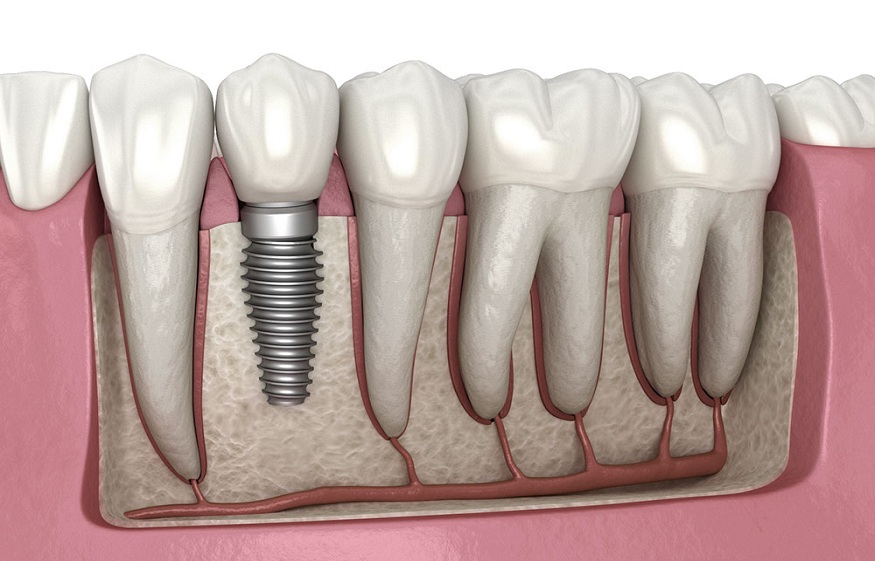
Dental health is a vital part of overall well being, and missing teeth can significantly affect both your appearance and your confidence. For many people in Fargo, dental implants offer a long term solution to restore their smile and improve oral function. Understanding the process from start to finish can help ease any concerns and ensure a smooth experience. This guide walks you through the step by step process of getting dental implants in Fargo ND, while highlighting key considerations and tips for a successful outcome.
Understanding Dental Implants
Dental implants are artificial tooth roots that provide a strong foundation for replacement teeth. Unlike dentures or bridges, implants integrate directly with the jawbone, offering stability and a natural look. They are often recommended for individuals who have lost one or more teeth due to injury, decay, or other dental conditions.
For residents considering dental implants, Fargo, ND, provides access to specialized dental professionals who are experienced in implant procedures. The process requires careful planning and coordination to achieve the best results.
Step One: Initial Consultation and Evaluation
The first step in the dental implant process is a thorough consultation with a dental professional. During this appointment, the dentist will:
- Review your dental and medical history
- Conduct a comprehensive oral examination
- Take X-rays or 3D scans to assess bone structure and oral health
This evaluation helps determine whether you are a suitable candidate for implants. Some patients may require preliminary procedures such as bone grafting or treatment for gum disease before moving forward.
If you are experiencing discomfort or sudden dental issues, seeking emergency dental Fargo services can ensure any urgent problems are addressed promptly before beginning the implant process.
Step Two: Treatment Planning
After the initial evaluation, the dentist will create a personalized treatment plan. This plan outlines the number of implants needed, the type of implant, and the timeline for the procedure. A detailed plan ensures that the process is efficient and that patients understand what to expect at each stage.
Communication during this phase is crucial. You should feel comfortable asking questions about recovery time, costs, and any lifestyle adjustments needed before and after the procedure.
Step Three: Preparing for Surgery
Preparation for dental implant surgery includes both oral and general health considerations. Your dentist may provide instructions such as:
- Maintaining excellent oral hygiene
- Avoiding certain medications or supplements
- Arranging transportation for the day of the procedure
In some cases, additional procedures like tooth extraction or bone grafting may be required. Bone grafting strengthens areas of the jaw where bone density is insufficient, improving the success rate of implants.
Step Four: Implant Placement Surgery
The surgical phase involves placing the dental implant into the jawbone. The procedure is typically performed under local anesthesia, sometimes with sedation to enhance comfort. During surgery:
- The dentist makes a small incision in the gum
- A hole is drilled into the jawbone to position the implant
- The implant post is carefully placed
- The gum tissue is closed over the implant for healing
The post acts as a replacement tooth root and will eventually fuse with the jawbone in a process called osseointegration. This fusion provides stability for the artificial tooth and ensures long term success.
Step Five: Healing and Osseointegration
After the implant is placed, a healing period of several months is required. During this time, the jawbone gradually grows around the implant, anchoring it securely in place. Healing times vary depending on individual health, the number of implants, and whether additional procedures were performed.
Patients may experience mild discomfort, swelling, or bruising during the initial recovery phase. Over the counter pain relievers and following post surgical instructions can help manage these symptoms. Regular check ups with your dentist will monitor progress and ensure proper healing.
Step Six: Abutment Placement
Once the implant has fully integrated with the jawbone, an abutment is attached to the implant post. The abutment serves as the connector between the implant and the replacement tooth. This step may require a minor procedure under local anesthesia, and the gum tissue may need time to adjust around the abutment before the final restoration is placed.
Step Seven: Placement of the Artificial Tooth
The final stage is placing the artificial tooth or crown. The crown is custom designed to match the shape, size, and color of your natural teeth, ensuring a seamless appearance. Once secured to the abutment, the implant functions like a natural tooth, allowing you to eat, speak, and smile confidently.
With proper care, dental implants can last for decades. Maintaining excellent oral hygiene, attending regular dental check ups, and avoiding habits such as smoking are key factors for long term success.
Benefits of Dental Implants
Dental implants offer numerous advantages over other tooth replacement options. Some key benefits include:
- Long term durability and stability
- Natural appearance and improved smile aesthetics
- Preservation of jawbone health and facial structure
- Improved chewing and speaking abilities
- Low maintenance with regular dental hygiene
For those who experience sudden dental pain or issues with temporary restorations during the implant process, emergency dental Fargo services provide timely care to prevent complications.
Choosing the Right Dental Professional in Fargo, ND
Selecting an experienced dental professional is critical for a successful implant procedure. Look for dentists who specialize in implantology and have a proven track record of positive outcomes. Patient reviews, consultation meetings, and professional credentials can help guide your decision.
Additionally, ensure the dental office is equipped with modern technology, as advanced imaging and surgical tools contribute to more accurate planning and better results.
Getting dental implants in Fargo, ND, is a transformative journey that restores both function and confidence. By understanding the step by step process, patients can approach the procedure with clarity and peace of mind. From initial consultation and treatment planning to healing and final restoration, each stage is designed to ensure a safe and successful outcome.
Whether you are replacing a single tooth or multiple teeth, dental implants offer a reliable solution that can enhance your oral health and quality of life. Maintaining proper care and seeking timely dental support, including emergency dental Fargo services when needed, ensures that your investment in a healthy smile lasts for years to come.
 Dental Infection Treatment and the Evolution of Advanced Dental Technology
  Deep Cleaning Woodland Hills: Understanding Gum Health and Advanced Dental Cleaning
  Dental Implants and Osteoporosis: What Patients Should Know About Safety and Healing
  Improving Your Smile in Woodland Hills: A Balanced Approach to Confidence and Oral Care
 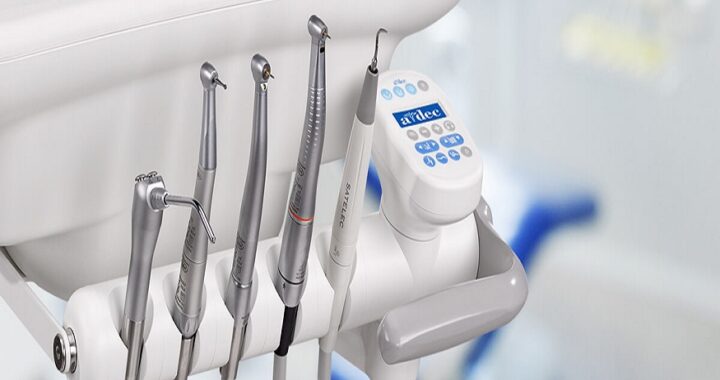 Understanding the Different Types of Dental Handpieces
  Dr. Kami Hoss Discusses the Importance of Prioritizing Oral Health
  7 Reasons Your Doctor May Recommend an Ultrasound (USG) in Pregnancy
  From Warm-Up to Cool-Down: Choosing the Right Compression Apparel for Training
  How Modern Work Culture Is Increasing the Need for Physical Relaxation
  Gynecomastia Surgery Recovery Week by Week: Work, Driving, Sleep and the Gym