
The Quiet Factors That Define a Reliable Angiography Device
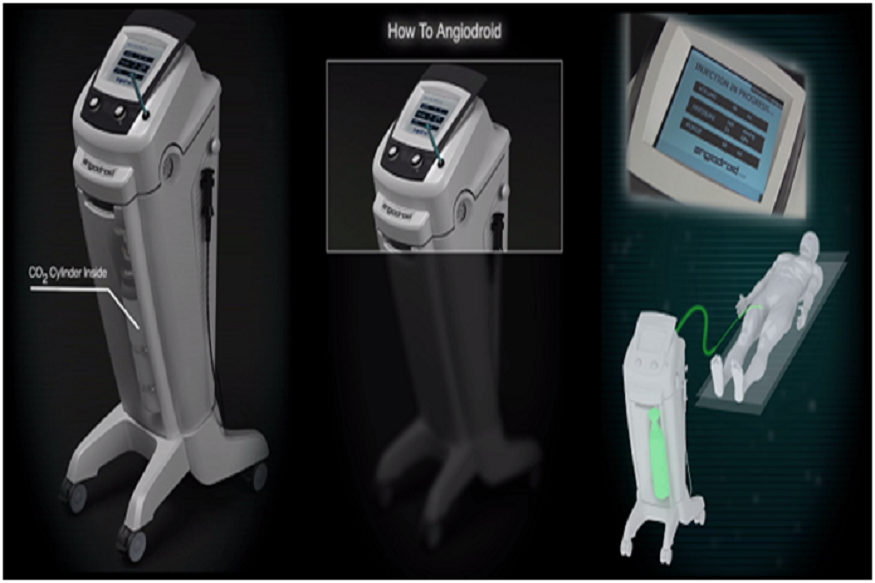
Hospitals do not judge imaging systems only by technical brochures; real opinions form in crowded procedure rooms, where time is tight, and every decision feels heavy. Teams want a system that behaves predictably, supports calm choices, and does not demand constant attention. A truly reliable angiography device is less about one impressive feature and more about how the whole setup works day after day. When views stay stable, and controls feel natural, staff can focus on established workflows instead of workarounds and rushed decisions. When that steady support is missing, small doubts grow and trust slowly weakens for everyone involved. These are the pressures behind every quiet purchasing decision. Those everyday realities shape which systems quietly earn trust and which do not.
How Reliability Feels Inside the Procedure Room
Reliability usually shows itself before anyone checks formal metrics. Teams notice how quickly a system wakes up in the morning list, how stable images stay during table movement, and whether controls feel natural when pressure rises. Small hesitations, flickers, or delays break concentration and increase mental load. Over time, staff begins to anticipate problems instead of trusting the workflow. A truly dependable system lets procedures start smoothly and stay calm, even on difficult days, so that people can focus fully on clinical judgment rather than equipment behavior, repeated troubleshooting, and second-guessing. That feeling of ease is often the first real sign that trust is forming, long before anyone runs a formal performance review.
Why Clinical Performance Outweighs Simple Pricing
Clinical performance usually comes before price in real discussions. Hospitals look for evidence that a system supports consistent imaging performance and predictable system behavior during complex procedures. even in challenging cases. They read independent studies, ask other hospitals for honest feedback, and compare results between brands over time. When teams review an angiography device supplier for high-pressure cath labs, they focus on how stable images remain during movement, how quickly staff can adjust settings, and whether the interface reduces error risk. Small design choices can change how confident clinicians feel in urgent situations, especially when complex teams must coordinate decisions across busy imaging rooms all day.
The Role of Support When Things Go Wrong
Support quality often matters as much as any hardware features. Even strong systems occasionally need updates, clarification, or urgent troubleshooting. What staff remembers is how quickly help arrives and how clearly problems are explained. When questions are met with vague answers or slow follow-up, confidence drops. Over time, teams start building workarounds instead of relying on agreed-upon processes. Hospitals quietly track which partners listen, which keep promises, and which stay present after installation. That pattern of behavior shapes whether a system feels like a dependable colleague or a constant source of background worry that slowly drains energy and patience across the whole team.
Practical Signals Decision Teams Quietly Watch
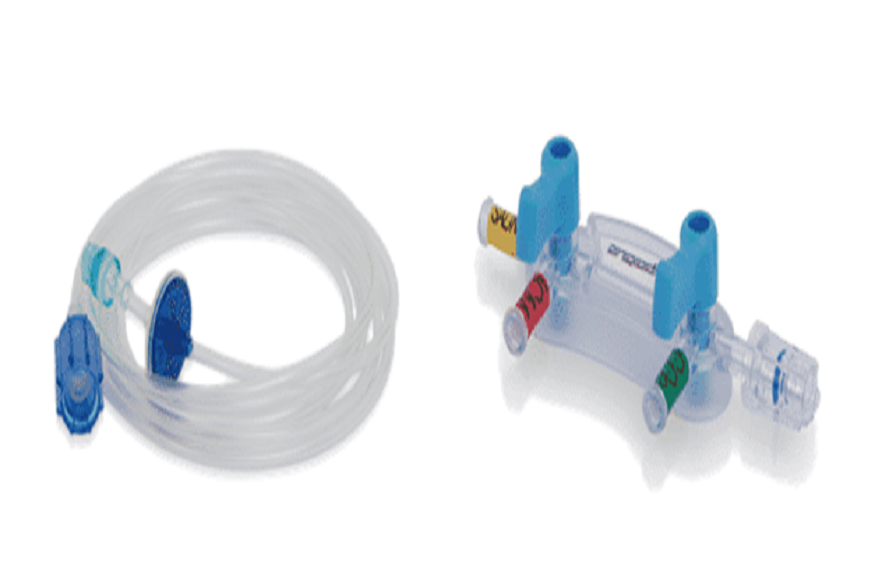
Decision groups rarely rely only on specification sheets. They also look at how a system supports everyday interventional cardiology imaging across many different cases. Practical checks often include:
- How quickly start-up fits into real shift patterns
- Whether image quality holds during longer, complex procedures with stress involved
- How intuitive the layout feels for new staff joining established teams
- Whether alerts and messages are clear under pressure
- How easily the system fits alongside other equipment and existing safety routines in the room
- Whether cleaning and safety protocols stay simple enough for busy shifts
These observations reveal long-term fit in a way numbers alone rarely show, because they mirror real pressure rather than ideal testing conditions.
Planning for Systems That Age Well
Reliability is never a fixed point. Staff rotate, case types change, and pressure on imaging rooms increases over the years. Systems that age well usually share the same pattern: predictable behavior, clear updates, and support teams who stay engaged. When tools remain steady, departments avoid constant renegotiation about what the system can or cannot handle. That stability supports consistent workflows by reducing uncertainty and repeated adjustments for clinical teams during routine use. It also reduces the temptation to delay needed maintenance, because people trust that planned downtime will genuinely improve daily work instead of making life harder. Over time, that steady rhythm becomes part of how dependable daily operations feel.
Conclusion
True reliability reveals itself quietly over months, not during a single impressive demonstration. Teams remember how often they could focus on patients instead of wrestling with settings or unexplained warnings. When systems behave predictably, workflows tend to feel more organized and easier to manage during busy schedules. Decisions made with patience and realistic expectations reduce future frustration, unnecessary tension, and avoidable conflict within teams.
Partners who stay present after installation help preserve that sense of calm. Nexamedic aligns with this approach by emphasizing transparent communication, realistic planning, and steady follow-through, so imaging teams can rely on consistent support instead of feeling alone when pressure and complexity increase.
FAQs
Q1. How can hospitals determine whether an imaging system will be reliable in the long term?
Ans 1. Often, it shows up in the small details during trials and early use. Teams notice how frequently workflows are interrupted, how quickly issues are explained, and whether everyday routines feel smoother or more complicated.
Q2. What should clinicians pay attention to during demonstrations?
Ans2. Beyond image quality, it helps to watch how the system responds to rapid changes, how intuitive key controls feel, and how easily staff recovers when a step is missed. These moments reveal how it will behave on busy days.
Q3. Why do staff opinions matter so much in purchasing decisions?
Ans3. People who use the system daily experience the pressure directly. Their feedback highlights where stress builds up, where the workflow supports calm work, and whether trust grows over time or slowly erodes during real cases.
Q4. How can decision teams tell if early performance will stay consistent over time?
Ans4.Consistency is often revealed through repetition rather than first impressions. When similar tasks produce similar results without extra adjustments, it suggests the system will remain dependable as workloads increase and routines become more demanding.
 7 Reasons Your Doctor May Recommend an Ultrasound (USG) in Pregnancy
  Gynecomastia Surgery Recovery Week by Week: Work, Driving, Sleep and the Gym
  Are Dental Implants in Oakland Gardens Suitable for Multiple Missing Teeth
  Why Crepey Skin Develops Even If You Look After Your Skin
  Finding Lasting Relief: Understanding Post-Nasal Drip and How an ENT Specialist Helps
  Planning Less, Enjoying More: Why Pre-Booked Activity Holidays Are on the Rise
  From Warm-Up to Cool-Down: Choosing the Right Compression Apparel for Training
  How Modern Work Culture Is Increasing the Need for Physical Relaxation