
Beyond the Bowl: Healthy Granola Bakes for Weight Loss and Sustained Energy
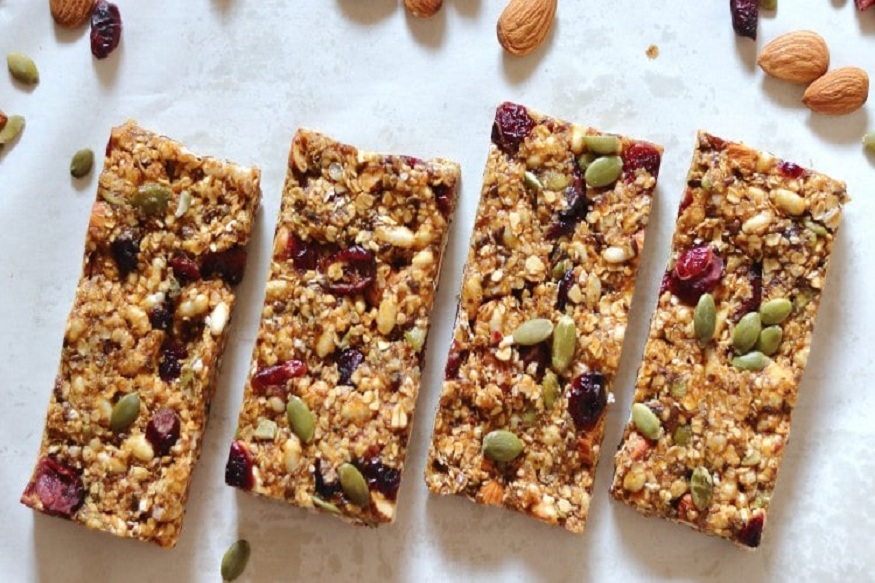
Granola occupies a curious space in the health food aisle. Often marketed as a wholesome, natural breakfast, the store-bought versions are frequently loaded with refined sugars, excessive fats, and high-calorie ingredients that undermine any weight loss or health goal. However, when crafted at home with mindful ingredients, granola transforms from a sugary trap into a powerhouse of sustained energy and nutrition. Healthy granola bakes—when properly portioned and formulated—can be an excellent addition to a weight management strategy, offering satisfying crunch, fiber, and protein without the glycemic spike of commercial cereals.
The secret to a weight loss-friendly healthy granola bakes lies entirely in control: control over the quality of fats, the source of sweetness, and the abundance of high-fiber, nutrient-dense components. By substituting simple sugars and unhealthy oils with whole foods, you can create a versatile, portable snack or breakfast that supports satiety, manages cravings, and keeps energy levels steady throughout the morning.
Sweetness Without the Spikes: Smart Sweeteners
The downfall of most commercial granolas is the overwhelming amount of refined sugar (like corn syrup or white sugar) used to bind and flavor the mixture. To create a healthy bake, it is crucial to minimize the added sugars and choose natural alternatives that offer nutritional benefits.
Pure Maple Syrup or Honey (in moderation): These are natural sweeteners, but they should still be used sparingly. They are necessary for binding the granola and achieving that desirable cluster texture. The key is to use less than the recipe calls for—you often need only half the liquid sweetener suggested in standard recipes. The amount should be just enough to lightly coat the oats, not soak them.
Unsweetened Applesauce or Date Paste: These additions provide a natural sweetness and act as binders without the need for large amounts of refined sugar. Date paste, in particular, adds fiber, potassium, and magnesium, enhancing the nutritional profile while reducing the glycemic load compared to pure syrup. The goal is flavor through concentration, not volume.
Healthy Fats: Essential for Texture and Satiety
Fats are crucial for achieving the classic crunchy texture of granola and, importantly, for increasing satiety, which is vital for weight management. However, the type of fat matters immensely. Avoid inflammatory vegetable oils like corn or soybean oil, and opt for healthy, monounsaturated fats.
Coconut Oil: Used sparingly, coconut oil provides a clean taste and helps the granola crisp up perfectly during baking. Nut Butter (Natural, Unsweetened): Adding a tablespoon or two of melted, natural almond or cashew butter introduces healthy fats and protein, making the final product more satisfying and beneficial for muscle maintenance, which is important during weight loss. Nut butter also helps with clustering, requiring less liquid sweetener overall.
The rule here is strategic addition: use just enough fat to lightly toast and coat the dry ingredients, ensuring flavor and texture without adding excessive unnecessary calories.
Protein and Nutrient Boosters: Nuts and Seeds
Nuts and seeds are non-negotiable in a healthy granola bake, contributing significant protein, fiber, and essential micronutrients. These additions transform the granola from a simple carb source into a balanced meal component.
Nuts: Almonds, walnuts, and pecans are excellent choices. Walnuts, specifically, provide omega-3 fatty acids, which have anti-inflammatory properties that can support overall health and recovery. Chop them coarsely to ensure they are evenly distributed.
Seeds: Chia seeds, flax seeds, pumpkin seeds (pepitas), and sunflower seeds are powerhouses. Flax and chia seeds are packed with fiber and healthy fats, and their inclusion helps keep you full for longer. Pumpkin and sunflower seeds add a satisfying crunch and are rich in zinc and magnesium.
A successful weight loss granola recipe keeps the ratio of nuts and seeds relatively high compared to dried fruit, prioritizing protein and fiber over concentrated sugar.
Portion Control and Practical Application
Even the healthiest homemade granola is calorie-dense due to the nuts and seeds. Therefore, the final, crucial step for weight loss is portion control. A standard serving size for granola is typically about one-quarter to one-half cup.
Serving Suggestions:
- Yogurt Topping: Use a small serving (1/4 cup) sprinkled over plain Greek yogurt for a high-protein breakfast.
- Portable Snack: Portion out 1/4 cup servings into small containers for a balanced, energy-sustaining snack between meals.
- Salad Topper: Use it as a savory crunch on a salad, replacing less healthy croutons.
By mastering the ingredients—prioritizing whole oats, using minimal natural sweeteners, focusing on healthy fats, and loading up on nuts and seeds—you transform granola into a strategic tool. The result is a crunchy, flavorful, and satisfying food that contributes to satiety and supports your sustained energy and weight loss goals.
 5 Ways to Add More Veggies to Your Stir-Fry Without Sacrificing Taste
  How to Snack Smart Without Derailing Fitness Goals
  Eco-Friendly Restaurants: Why Compostable Cutlery Is a Smart Choice
  How To Achieve The Ideal Baked Potato In The Oven Every Time?
  What is sugar release control atta? Is it beneficial?
  The Impact of Water Delivery Services on Reducing Plastic Waste
  7 Reasons Your Doctor May Recommend an Ultrasound (USG) in Pregnancy
  From Warm-Up to Cool-Down: Choosing the Right Compression Apparel for Training
  How Modern Work Culture Is Increasing the Need for Physical Relaxation
  Gynecomastia Surgery Recovery Week by Week: Work, Driving, Sleep and the Gym