
The Hidden Impact of Systemic Health on Vision
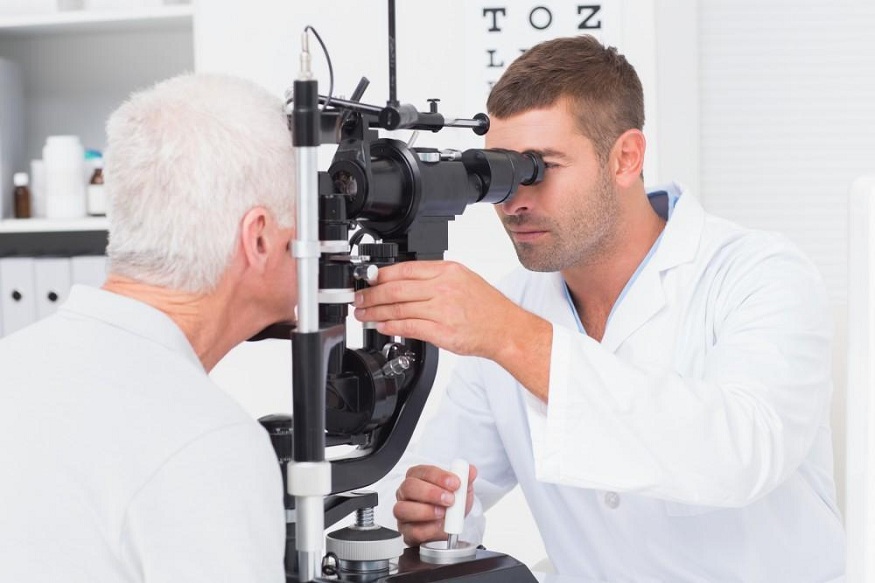
A holistic review of how metabolic, hormonal and autoimmune conditions influence the eye
Most people regard their eyes as self-contained organs that simply allow them to see. In reality, ocular health reflects a wide range of systemic processes. Vision depends on stable vascular, hormonal, neurological and immune systems. When any of these systems are disrupted, the eyes often show early signs of change. Because the eye contains tiny blood vessels, sensitive neural structures and hormone-responsive tissues, it often reveals underlying health problems before other organs.
This article outlines how metabolic disease, hormonal changes and autoimmune conditions influence ocular structures. It also explains why eye examinations can contribute to the early identification of systemic disease.
Why the Eye Reflects Whole Body Health
The eye is sensitive to systemic health for several reasons:
- It has a dense network of microvessels, particularly in the retina, which reflects microvascular damage related to diabetes or hypertension.
- It contains what researchers call a neurovascular unit. This unit includes neurons, glial cells, and microvessels, and it is vulnerable to metabolic stress or inflammation. Reference: The Journal of Clinical Investigation
- Hormones, immune factors and metabolic signals influence tear film stability, ocular nerves, the lens, and the retina.
- Eye tissues can be examined through non invasive methods, which makes the eye an early indicator of systemic disease.
For these reasons, changes in eyesight or eye comfort often mirror systemic disorders such as diabetes, thyroid disease, menopause related changes or autoimmune inflammation.
1.Diabetes and the Eye: Beyond Retinopathy
Diabetes affects multiple parts of the eye. While diabetic retinopathy is the most well known complication, ocular involvement begins much earlier and is not limited to the retina.
How Diabetes Affects the Eye
Chronic hyperglycaemia triggers several processes that damage ocular tissues. These include oxidative stress, microvascular endothelial dysfunction, thickening of the basement membrane, accumulation of advanced glycation end products and inflammatory activation. Together, these processes weaken the neurovascular unit and gradually impair retinal function.
Diabetes also affects the lens, cornea and ocular surface:
- Fluid shifts in the lens during glucose fluctuations can cause temporary blurred vision.
- Corneal nerves may become damaged through diabetic neuropathy, which can reduce corneal sensitivity and alter tear production.
- Meibomian gland and lacrimal gland dysfunction can occur, increasing the likelihood of dry eye.
Why These Changes Matter
- Unstable vision or frequent changes in prescription may indicate poor glucose control.
- Dry eye symptoms in a diabetic patient may reflect early neuropathy rather than purely surface irritation.
- Comprehensive eye examinations should include surface, nerve and structural assessment rather than only retinal screening.
2. Hormonal Changes and Vision
Hormones influence the ocular surface, corneal integrity and vascular behaviour. Fluctuations can occur during puberty, pregnancy, perimenopause, menopause and in thyroid disease.
Underlying Mechanisms
Hormone receptors are present throughout the eye, including in the cornea, conjunctiva, lacrimal glands and meibomian glands. Shifts in hormone levels can therefore affect the tear film, inflammation, eyelid gland function and corneal sensitivity. Pregnancy introduces changes in fluid balance and immune activity that can influence vision or cause dry eye. Thyroid hormones also affect the tissues around the eye. Hyperthyroidism, particularly Graves related disease, can cause swelling, surface exposure, discomfort and double vision due to inflammation of the orbital tissues.
3. Autoimmune Disease and the Eye
Autoimmune diseases often produce ocular symptoms because the immune system may target the tissues responsible for producing tears, maintaining surface integrity or supporting retinal circulation.
How Autoimmune Disease Affects the Eye
- Autoimmune activity can cause:
- Chronic inflammation on the ocular surface or within deeper tissues
- Vascular damage that affects the retina
- Neuropathic changes that influence blinking or tear production
- Reduced tear volume through lacrimal gland dysfunction
Conditions That Commonly Affect the Eyes
- Sjögren’s syndrome affects moisture producing glands and is a well known systemic cause of chronic dry eye.
- Rheumatoid arthritis and systemic lupus erythematosus are associated with scleritis, uveitis or retinal vasculitis.
- Graves related thyroid eye disease causes inflammation of the orbit, which can produce surface exposure, discomfort or double vision.
Clinical Considerations
When a patient with a known autoimmune condition experiences persistent redness, light sensitivity or fluctuating vision, these symptoms may indicate active disease rather than isolated ocular dryness. Communication between eye care providers and rheumatology or endocrinology specialists improves early recognition and treatment pathways.
Integrating Ocular Findings Into Broader Health Care
Eye examinations provide insight into vascular health, nerve function and inflammatory activity. For that reason, they are valuable for systemic screening. For example:
- Sudden changes in vision or persistent dryness can be early indicators of diabetes, thyroid dysfunction or autoimmune conditions.
- Retinal imaging can reveal microvascular changes before other organs show damage.
- Managing systemic disease often reduces ocular symptoms, although local treatment remains important.
Patients can benefit from understanding that eye discomfort is sometimes related to broader health factors rather than only local eye issues.
Conclusion
The eyes are closely linked to metabolic, hormonal and immune processes throughout the body. Because they respond quickly to systemic change, ocular symptoms often appear before other clinical signs. A comprehensive approach to eye care that considers wider physiological influences can support earlier diagnosis, targeted treatment and improved long term health outcomes.
 The Importance of Regular Eye Exams: Eye Doctors Atlanta GA
  Contact Lenses with Multifocals
  7 Reasons Your Doctor May Recommend an Ultrasound (USG) in Pregnancy
  From Warm-Up to Cool-Down: Choosing the Right Compression Apparel for Training
  How Modern Work Culture Is Increasing the Need for Physical Relaxation
  Gynecomastia Surgery Recovery Week by Week: Work, Driving, Sleep and the Gym